25 November 2026 | Thrillam village, Tawang district, Arunachal Pradesh
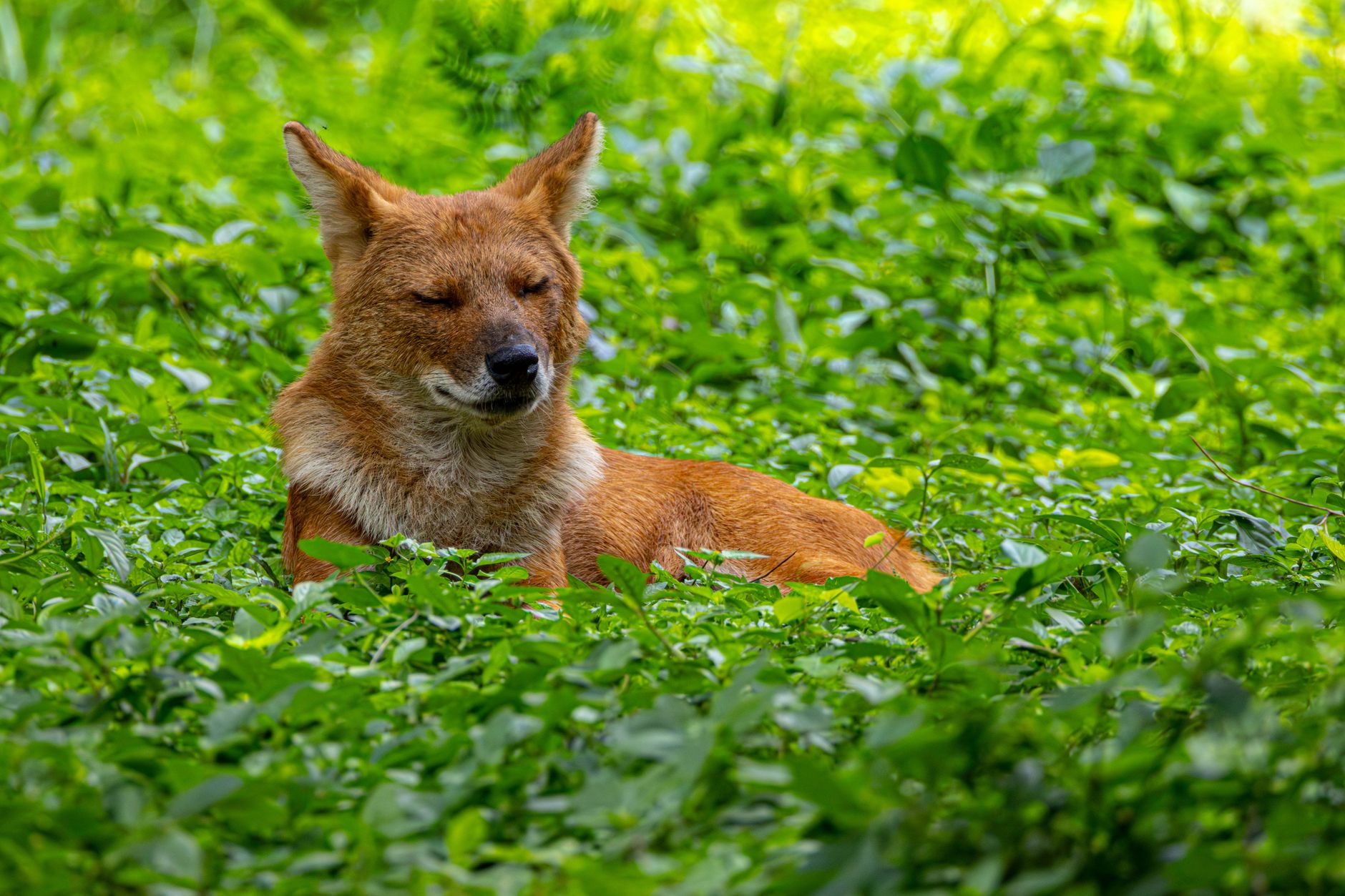
An endangered Asiatic wild dog, also known as the dhole (Cuon alpinus), has been photographed for the first time in Arunachal Pradesh’s Tawang district, providing important evidence of the species’ presence in the high-altitude forests of the western Eastern Himalayas.
The animal was captured by a camera trap at an elevation of 3,190 metres in Thrillam village on January 27, 2025. The discovery was reported in a study by researchers from the Zoological Survey of India (ZSI), published in the Records of the Zoological Survey of India.
Extensive Camera-Trapping Exercise
Researchers deployed 54 camera traps across 54 grids in Tawang between September 2024 and June 2025. The exercise generated approximately 89,000 images, including 42 confirmed photographs of the dhole.
The animal was recorded repeatedly along the same forest trail on January 27, 28 and 29. Researchers identified it by its reddish-brown coat, white underbelly and dark, bushy tail.
The camera was installed in a subalpine mixed forest dominated by rhododendrons, approximately 3.5 km from the nearest human settlement.
An Elusive and Endangered Predator
The dhole is classified as Endangered on the IUCN Red List. Its populations have declined across much of its historical range due to habitat fragmentation, depletion of natural prey, disease transmission from domestic dogs and human persecution.
Although the species has previously been documented in Arunachal Pradesh’s Namdapha National Park, Pakke Tiger Reserve and Mishmi Hills, there had been no published photographic evidence from Tawang.
Researchers caution that the camera-trap findings indicate the animal’s presence and detectability, not its actual population size.
Livestock Losses Raise Conservation Concerns
The study also examined interactions between wildlife and local communities through 149 questionnaire surveys.
Around 42% of respondents reported human-wildlife interactions, while 64% acknowledged livestock depredation by predators. In Thrillam, two respondents specifically reported the killing of domestic yak and cow calves by dholes.
The findings underline the need to address livelihood concerns alongside wildlife protection.
A Landscape of Rich Wildlife Diversity
The camera-trapping exercise also recorded other rare mammals, including the Red Panda, Yellow-throated Marten and Leopard Cat.
Researchers have recommended long-term monitoring, more intensive wildlife surveys and genetic studies to understand dhole movements and identify conservation priority areas.
The discovery reinforces Tawang’s importance as a high-altitude wildlife landscape and highlights the need to protect its forest corridors while promoting coexistence between local communities and wildlife.
Source: NorthEast Now, 24 November 2026
Last Updated: 25 November 2026
Leave a Reply