22 November 2026 | Banarhat, Jalpaiguri district, West Bengal
A proposed railway link between Banarhat in North Bengal and Samtse in Bhutan has raised conservation concerns over its potential impact on two important elephant corridors connecting forests in the Dooars region.
The approximately 20-km project, estimated to cost ₹577 crore, is part of India’s cross-border rail connectivity initiative with Bhutan. While it promises improved transport links, conservationists fear that the proposed alignment could disrupt traditional elephant movement routes.
Two Corridors at Risk
The railway could affect two routes connecting Jaldapara National Park and Gorumara National Park through the Rethi-Titi corridor and Dumchi Reserve Forest.
These routes pass through a mosaic of forests, rivers and tea gardens that elephants use to move between habitats.
Conservationists warn that the corridors are already under pressure from settlements, tea garden infrastructure and other human activities. A new railway barrier could further restrict movement and increase the risk of human-elephant conflict.
Concerns Over Tree Loss and Train Collisions
Sources cited in the report suggest that more than 3,000 trees could be affected, although railway officials have not confirmed this figure.
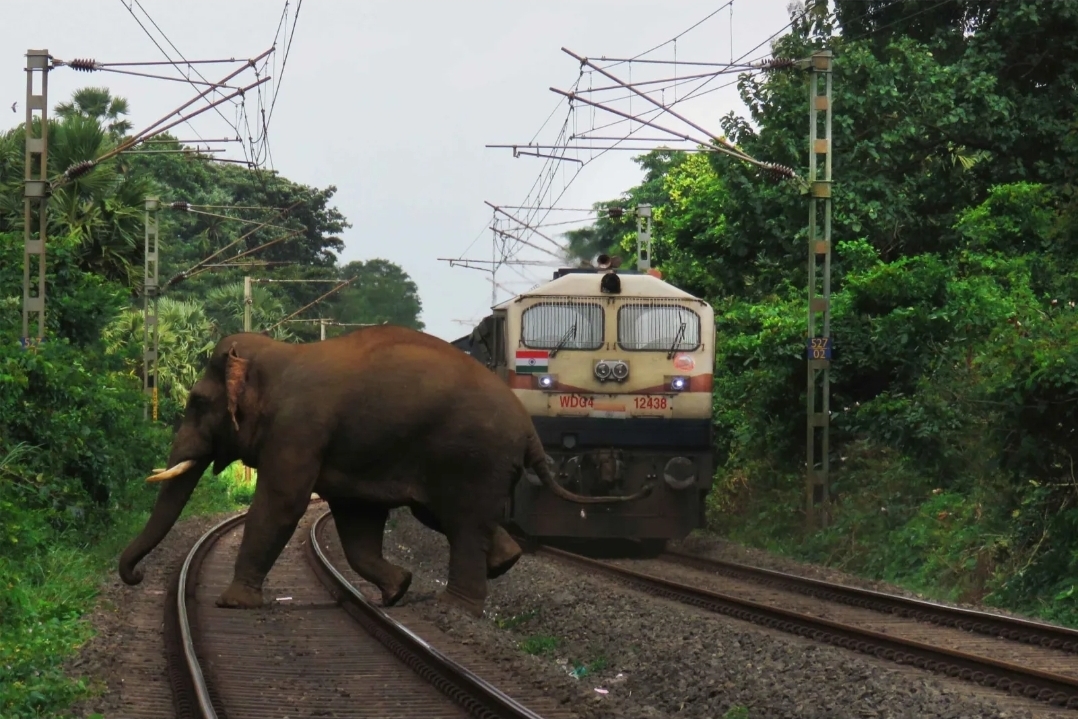
North Bengal has also witnessed fatal elephant-train collisions, particularly around the Moraghat forest range. Conservationists have therefore called for wildlife-friendly infrastructure, including elevated railway sections and safe elephant crossings.
The final alignment will be crucial. Alternative routes that avoid critical forest habitats and elephant corridors need careful consideration.
Restoration Efforts Could Be Undermined
The concern is particularly significant because two Dooars elephant corridors, including Rethi-Titi, received approval for restoration in September 2026 after more than two decades since their identification.
The restoration initiative aims to improve elephant movement through habitat improvement, natural fodder planting and other measures. Infrastructure development that fragments these routes could undermine those efforts.
Development Must Respect Wildlife Movement
Before construction, authorities should undertake a detailed assessment of elephant movements, examine alternative alignments and incorporate scientifically designed wildlife crossings. The cumulative impact of existing and proposed infrastructure must also be considered.
The Banarhat-Samtse railway could strengthen India-Bhutan connectivity, but its benefits should not come at the cost of North Bengal’s fragile wildlife corridors.
Elephants depend on connected habitats, not administrative boundaries. Protecting these traditional routes is essential to their long-term survival and to reducing conflict with local communities.
Source: The Times of India, 21 November 2026; The Telegraph, 21 June 2026.
Last Updated: 22 November 2026
Leave a Reply