5 November 2026 | Guwahati, Assam
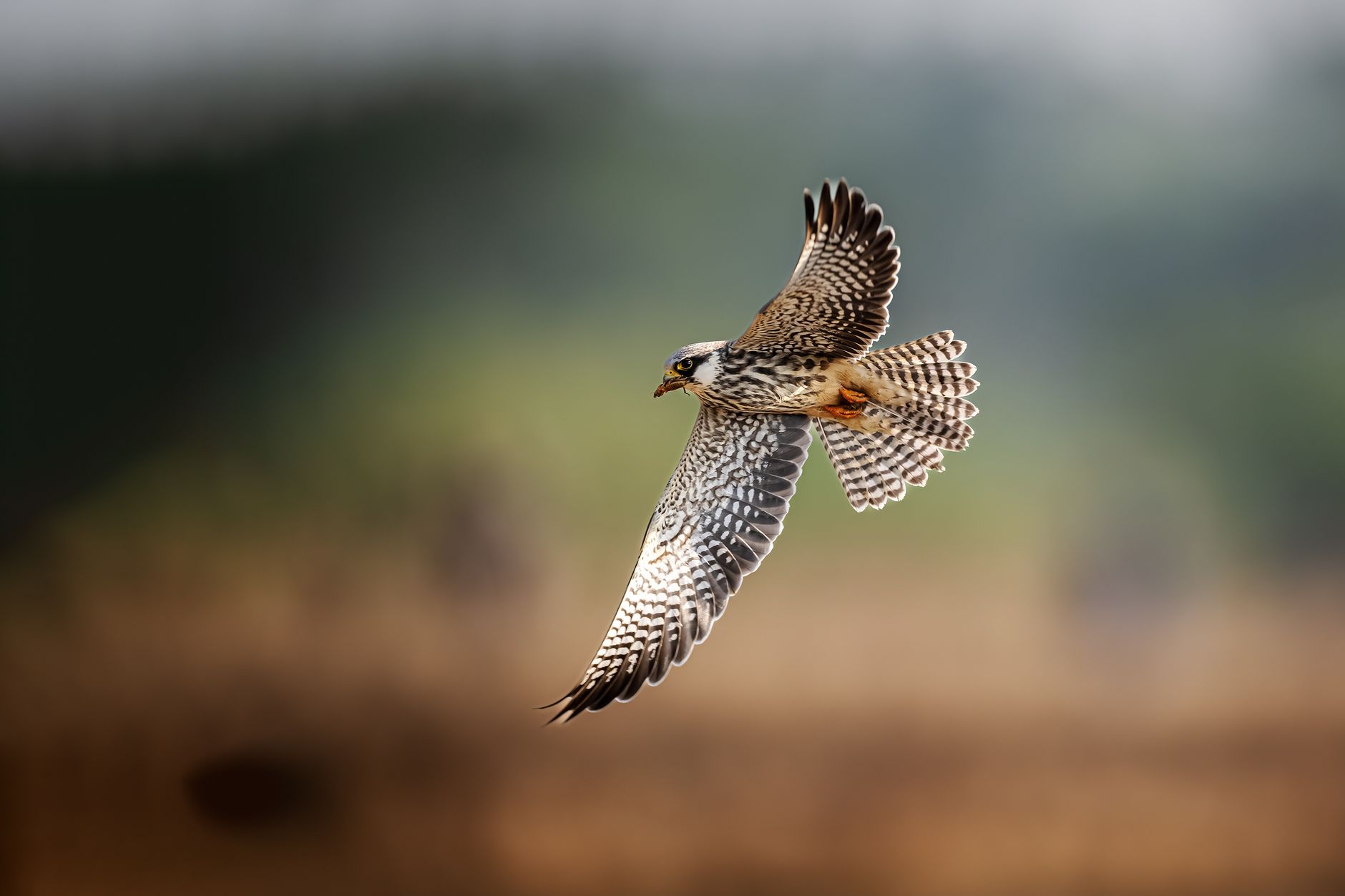
Assam is witnessing a spectacular seasonal gathering of more than one lakh Amur Falcons, as the remarkable migratory birds arrive at important resting sites during their annual journey from East Asia to southern Africa.
However, the arrival of these long-distance travellers has prompted an urgent conservation appeal. Assam Environment and Forest Minister Jayanta Malla Baruah has urged authorities to restrict drone operations near major congregation sites, warning that aerial photography and recreational drone flights could seriously disturb the birds during a critical stage of their migration.
Over 100,000 Falcons Gather at Key Locations
According to the minister, large congregations of Amur Falcons (Falco amurensis) have been reported at two important locations in Assam:
- Umrangso, Dima Hasao district: A major seasonal congregation area around the reservoir and surrounding landscape.
- Dharamtul, Morigaon district: An important resting area associated with the Kopili River basin.
The arrival of more than 100,000 birds highlights Assam’s growing significance as a seasonal stopover for one of the world’s most extraordinary migratory raptors.
These small falcons gather in large numbers to rest and feed before continuing their demanding journey towards Africa.
A Remarkable 20,000-Kilometre Migration
Amur Falcons undertake one of the longest migrations recorded among birds of prey.
They breed in eastern Asia, particularly parts of Russia, China and Mongolia, before travelling south through Northeast India and onward towards southern Africa.
Their annual migratory journey can cover approximately 20,000 kilometres, including a remarkable non-stop flight across the Arabian Sea.
During their passage through Northeast India, the falcons gather in large communal roosts and feed extensively on insects, including termites and other flying insects.
These feeding opportunities are essential because the birds must accumulate sufficient energy reserves to complete the next stages of their migration.
Assam’s forests, wetlands, river valleys and surrounding landscapes therefore play an important role in sustaining these international travellers.
Drone Activity Raises Serious Conservation Concerns
The biodiversity conservation organisation Aaranyak has raised concerns about the increasing use of drones near Amur Falcon congregation sites.
According to the organisation, visitors, photographers and social media content creators have been flying drones close to large flocks to capture aerial photographs and videos.
Such activities can threaten the birds in several ways.
Risk of collision: Fast-moving drone propellers can cause serious injuries if birds collide with them.
Disturbance of roosting flocks: The sound and movement of drones can frighten resting birds, forcing them into unnecessary flight.
Loss of valuable energy: Repeated disturbances can interrupt feeding and resting, increasing the energy demands of birds preparing for a long-distance migration.
Disruption of natural behaviour: Frequent human interference may prevent falcons from using otherwise suitable resting and feeding locations.
For migratory birds preparing to cross vast distances, unnecessary energy expenditure can have significant consequences.
Aaranyak Calls for Strict No-Drone Buffer Zones
Aaranyak has urged the Dima Hasao Autonomous Council and the Morigaon district administration to introduce strict restrictions on drone operations near important Amur Falcon congregation sites.
The organisation has recommended clearly designated no-drone buffer zones around roosting areas in Umrangso and Dharamtul.
It has also called for stronger enforcement against unauthorised drone operators and public awareness campaigns targeting tourists, wildlife photographers and content creators.
Aaranyak’s Organising Secretary, Udayan Borthakur, has emphasised that the pursuit of photographs, videos and social media attention should never come at the expense of wildlife safety.
The organisation has offered to assist authorities with awareness materials and conservation education initiatives.
Assam Forest Minister Appeals for Responsible Tourism
Supporting the conservation concerns, Forest Minister Jayanta Malla Baruah stressed that protecting migratory birds must take priority over recreational activities.
He warned that unregulated drone flights could trigger panic among large flocks, expose birds to collision hazards and interfere with essential feeding and resting activities.
The minister urged visitors to respect wildlife habitats and avoid activities that could disturb the falcons.
He also highlighted the importance of Assam’s forests, wetlands and roosting sites as part of the state’s natural heritage.
Why Protecting Amur Falcons Matters
The Amur Falcon is an extraordinary example of how wildlife conservation depends on cooperation across international boundaries.
A bird breeding in eastern Asia may depend on safe resting grounds in Northeast India before travelling thousands of kilometres to its wintering grounds in Africa.
Protecting the species therefore requires conservation measures throughout its migratory route.
Northeast India has already demonstrated the value of community-based conservation. In Nagaland, where large numbers of Amur Falcons were once hunted during migration, conservation campaigns and community participation helped transform the region into an important example of migratory bird protection.
Assam’s present challenge is different but equally important: ensuring that growing interest in wildlife photography and tourism does not become a new source of disturbance.
Conservation Must Come Before Photography
The gathering of more than one lakh Amur Falcons offers a remarkable opportunity to appreciate one of nature’s greatest migration spectacles.
However, the birds’ survival depends on more than protecting them from hunting. They also require undisturbed roosting areas, healthy feeding habitats and responsible behaviour from visitors.
Strictly enforced drone-free zones, conservation awareness and cooperation between local communities and forest authorities could help ensure that Assam remains a safe refuge for these remarkable travellers.
The message from conservationists is clear: the best way to celebrate the arrival of Amur Falcons is to allow them to rest, feed and continue their extraordinary journey without interference.
Source: India Today NE (5 November 2026); PTI/ThePrint; Aaranyak statements reported by Northeast News and The Sentinel.
Last Updated: 5 November 2026
Leave a Reply