31 October 2026 | Dehradun, Uttarakhand
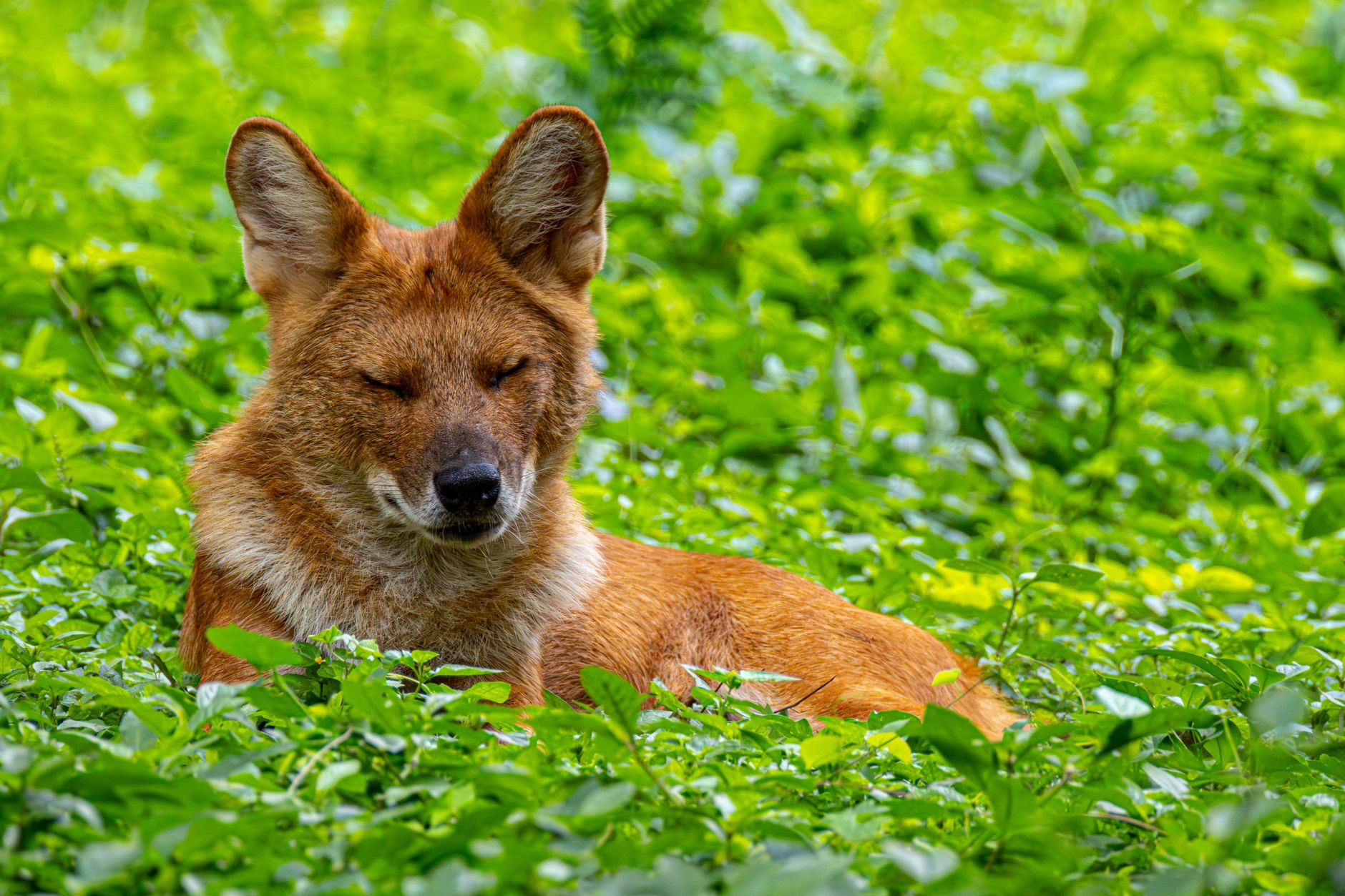
The dhole (Cuon alpinus), also known as the Asiatic wild dog, may have disappeared from parts of Uttarakhand where it was once found. The absence of recent confirmed sightings has raised concerns among wildlife experts, prompting calls to examine the possibility of reintroducing the endangered carnivore into suitable forest habitats.
According to reports, dholes were historically recorded in several parts of Uttarakhand, including the forests of Rajaji Tiger Reserve and Corbett. However, their presence appears to have declined considerably over the years.
Wildlife experts have stressed that the dhole is an important component of forest ecosystems and that efforts should be made to restore its population where habitat conditions permit. Any reintroduction programme, however, would need to be preceded by scientific assessments of habitat suitability, prey availability and the factors responsible for the species’ decline.
From Rajaji to Corbett: A Disappearing Predator
Dholes were reportedly observed in Uttarakhand’s forests as recently as 15–20 years ago. Wildlife observers recalled their presence in areas extending from Dhaul Khand in Rajaji Tiger Reserve to forests around Corbett.
According to observations cited in recent reporting, dholes were found in relatively good numbers in Dhaul Khand until the 1980s. They lived in packs and hunted deer, sambar and other medium-sized ungulates.
Their subsequent decline reflects the vulnerability of a wide-ranging carnivore that depends on connected habitats, sufficient prey and relatively undisturbed forest landscapes.
A study published in the scientific journal Mammalia in 2018 documented camera-trap photographs of dholes in the Kheda Tal area of Uttarkashi district. The researchers described the population as apparently confined to a relatively small area of unprotected habitat affected by human activities.
The lack of more recent confirmed records from several historically occupied areas is worrying, although it does not conclusively establish that the species has vanished from the entire state.
Why Have Dholes Declined?
The decline of dholes in the Himalayan region is associated with several pressures that affect wildlife across fragmented forest landscapes.
Habitat loss and fragmentation: Roads, settlements and other forms of development can divide forests into smaller patches, restricting the movement of animals and reducing connectivity between populations.
Declining prey availability: Dholes depend on wild prey, including deer and other medium-sized mammals. A reduction in prey can make it difficult for packs to survive and reproduce.
Human disturbance: Increasing human activity within and around forest habitats can disrupt wildlife movement and reduce the availability of suitable areas for hunting and breeding.
Diseases transmitted by domestic dogs: Free-ranging dogs can expose wild canids to diseases such as rabies and canine distemper, potentially posing a serious threat to small and isolated populations.
These pressures can interact. A small population already restricted to fragmented habitat may be particularly vulnerable to disease, prey depletion and further disturbance.
Why the Dhole Matters to Forest Ecosystems
Dholes are highly social carnivores that generally hunt in packs. Their cooperative hunting allows them to pursue prey that an individual animal might struggle to capture.
By preying on wild ungulates and other animals, they form an important part of the ecological relationships that shape forest communities.
Dholes are also significant because they share habitats with other large carnivores, including tigers and leopards. Their presence contributes to the diversity of predators within a forest ecosystem.
The loss of a carnivore from a landscape can indicate broader ecological problems, particularly when the decline is associated with habitat fragmentation, prey depletion and increasing human pressure.
Conserving dholes therefore requires attention not only to the species itself but also to the wider forest ecosystem on which it depends.
Experts Call for Reintroduction
Wildlife Institute of India senior scientist Bilal Habib has called for efforts to bring dholes back to Uttarakhand, describing the species as an important component of the ecosystem.
The proposal raises the possibility of restoring a native carnivore to parts of its historical range. However, reintroduction is a complex conservation intervention and cannot succeed simply by releasing animals into a forest where they were once present.
Before any such programme begins, researchers would need to establish whether dholes still survive in the proposed release areas. Extensive camera trapping, field surveys and other monitoring methods would help identify any remaining populations and determine their distribution.
Scientists would also need to assess the availability of prey, the quality and connectivity of habitat, potential disease risks and the likelihood of conflict with people.
Where suitable conditions exist, a carefully designed programme could be considered alongside measures to address the original causes of decline.
Where Could Dholes Survive in Uttarakhand?
Uttarakhand contains a diverse range of forest ecosystems, from the foothills of the Himalayas to higher-elevation landscapes. Historically recorded dhole habitats and wildlife corridors provide useful starting points for conservation assessments.
Areas around Rajaji and Corbett, as well as forest corridors in the Kumaon region, could be investigated through systematic surveys. Nandhaur Wildlife Sanctuary and adjoining forest corridors are also relevant to understanding the species’ regional distribution.
A 2021 study documented dhole camera-trap records from Nandhaur Wildlife Sanctuary and connected forest corridors in Uttarakhand. These findings demonstrate why conservation planning should be based on comprehensive, up-to-date evidence rather than an assumption that the species has disappeared everywhere in the state.
Identifying suitable sites would require evaluating habitat quality, prey populations, human disturbance and connectivity with neighbouring forests. The objective should be to establish a viable, self-sustaining population rather than merely record the presence of a few released animals.
Reintroduction Must Address the Causes of Decline
Reintroducing dholes without addressing the pressures responsible for their decline could expose them to the same threats that affected earlier populations.
Restoration of forest corridors, protection of prey species, disease surveillance and measures to reduce contact with free-ranging domestic dogs would be important components of any recovery strategy.
Local communities would also need to be involved. Because dholes may occasionally prey on livestock, conservation authorities should develop appropriate monitoring, conflict-response and compensation arrangements wherever necessary.
Long-term camera-trap surveys and scientific monitoring would help determine whether a reintroduced population is surviving, reproducing and expanding naturally.
The success of such a programme would depend on coordinated action by the Uttarakhand Forest Department, wildlife researchers and conservation organisations.
An Opportunity to Restore a Missing Link in the Himalayan Ecosystem
The possible disappearance of dholes from parts of Uttarakhand is a reminder that conservation attention must extend beyond more widely recognised species such as tigers and elephants.
The dhole is an endangered carnivore whose survival depends on healthy forests, sufficient prey and the ability to move through connected habitats. Its decline in the Western Himalayas highlights the need for better monitoring of species that may receive less attention than larger predators.
A scientifically planned recovery programme could eventually help restore the dhole to suitable parts of its former range. But the first step must be to establish its current status, identify the reasons for its decline and ensure that the necessary ecological conditions exist.
Protecting the dhole means protecting the connected forests and prey populations that sustain the wider Himalayan ecosystem.
Sources: ETV Bharat; The New Indian Express; research published in Mammalia and The Indian Forester.
Last Updated: 31 October 2026
Leave a Reply