India | October 27, 2026
A Himalayan lake, a mangrove forest, a coastal lagoon and a village bird sanctuary may look very different, yet they can share one important distinction: recognition as a Ramsar Site, or a Wetland of International Importance.
India’s Ramsar network reached 103 sites following the addition of Sukhna Wetland in Chandigarh and Sauj Jheel in Uttar Pradesh, announced on October 15, 2026. Together, the country’s designated sites cover more than 13.87 lakh hectares, supporting wildlife, water security and livelihoods.
Why Are They Called Ramsar Sites?
The name comes from Ramsar, a city in Iran where the Convention on Wetlands was adopted on February 2, 1971. This date is celebrated annually as World Wetlands Day. India became a party to the convention on February 1, 1982.
The treaty promotes the conservation and “wise use” of wetlands. This means maintaining their ecological character while allowing sustainable uses that benefit people and nature.
Wetlands include much more than lakes. Under the convention’s broad definition, they can encompass marshes, estuaries, mangroves, peatlands, shallow coastal waters and human-made water bodies. A seasonal wetland that dries out for part of the year can also be ecologically important.
How Does a Wetland Qualify?

A wetland must satisfy at least one of nine internationally agreed criteria. These cover representative or unusual wetland types, threatened species, biological diversity, important stages in animals’ life cycles, fish habitats and significant populations of wetland-dependent wildlife.
For example, a site may qualify if it regularly supports at least 20,000 waterbirds. Another criterion concerns supporting at least one per cent of a waterbird population. However, large bird gatherings are only one route to recognition: a wetland can qualify for other ecological reasons.
Wetlands Work Even When We Are Not Watching
Depending on their type and location, wetlands can store floodwater, help maintain water quality, support groundwater recharge and sustain fisheries. Coastal wetlands can help buffer shorelines, while wetland vegetation and soils can store carbon.
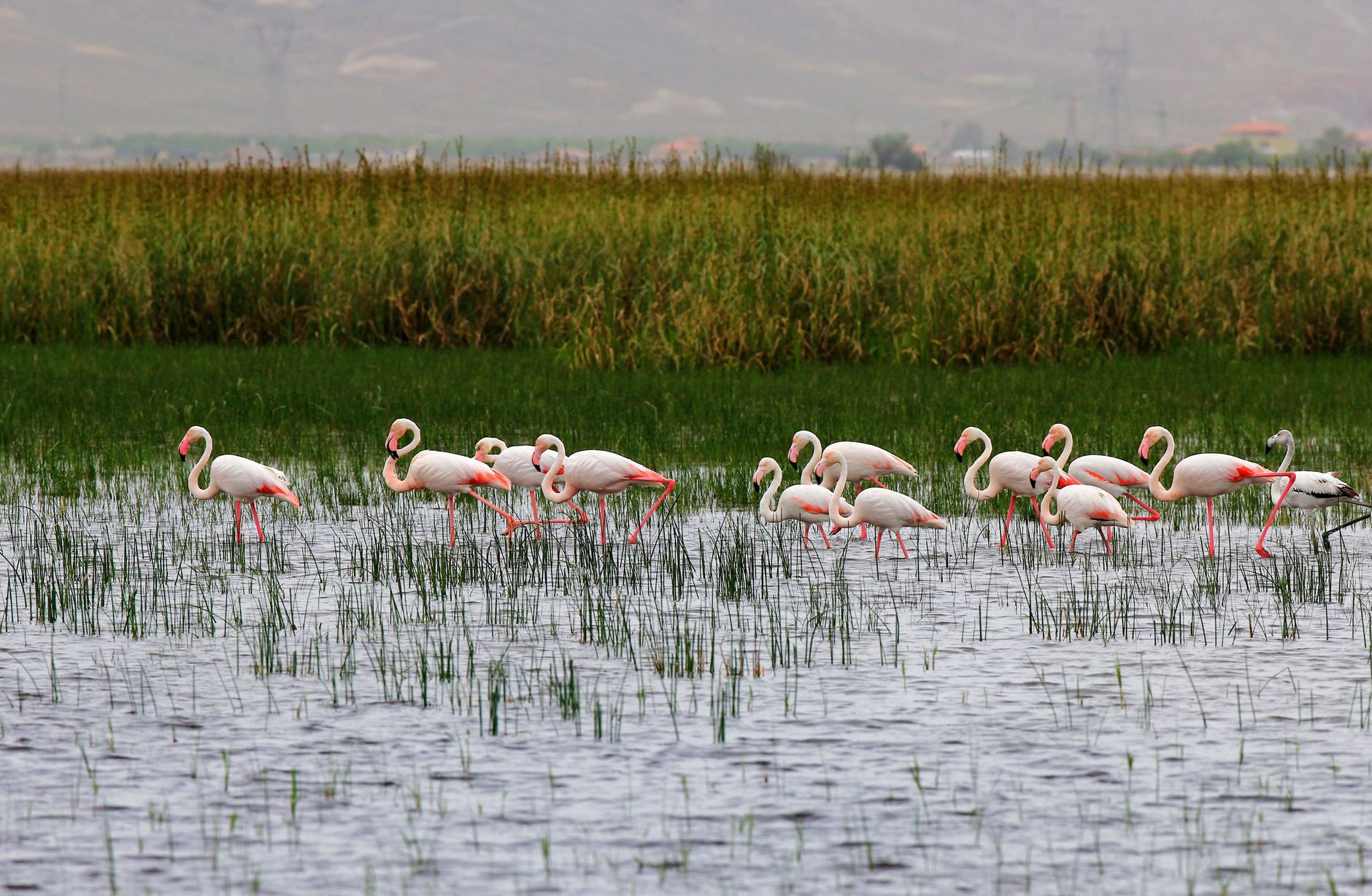
They also provide feeding, breeding and resting places for wildlife. For migratory birds, a chain of healthy wetlands supplies essential stopovers along journeys that cross national boundaries. Losing one important feeding or roosting area can weaken that wider network.
India’s Newest Additions
Sukhna Wetland demonstrates that a human-made reservoir can become valuable wildlife habitat. Situated at Chandigarh’s edge below the Shivalik hills, it supports resident and migratory birds, including threatened species.
Sauj Jheel, in Uttar Pradesh’s Mainpuri district, is a shallow floodplain lake with important waterbird habitat. Its recognition draws attention to the conservation value of wetlands within agricultural landscapes.
A Few Remarkable Facts

Tamil Nadu leads the country with 20 Ramsar Sites, followed by Uttar Pradesh with 14. The network now extends across 28 states and Union Territories.
Chilika Lake and Keoladeo National Park were India’s first Ramsar Sites, with designation dates of October 1, 1981. At the other end of the timeline, Glaw Lake became Arunachal Pradesh’s first Ramsar Site in 2026.
The Sundarban Wetland is India’s largest Ramsar Site, covering 423,000 hectares. The list also includes much smaller habitats, showing that international importance depends on ecological value rather than size alone.
All 103 Ramsar Sites of India: State and Union Territory List
The following list reflects the position as of October 27, 2026. Familiar alternative names are included where useful; these refer to the same site and are not counted separately.
Andhra Pradesh — 1 Site
Kolleru Lake.
Arunachal Pradesh — 1 Site
Glaw Lake.
Assam — 1 Site
Deepor Beel.
Bihar — 6 Sites
Kabartal Wetland (Kanwar or Kabar Taal); Nagi Bird Sanctuary; Nakti Bird Sanctuary; Gokul Jalashay; Udaipur Jheel; Gogabil Lake.
Chandigarh — 1 Site
Sukhna Wetland.
Chhattisgarh — 1 Site
Kopra Jalashay.
Goa — 1 Site
Nanda Lake.
Gujarat — 5 Sites
Nalsarovar; Wadhvana Wetland; Thol Lake Wildlife Sanctuary; Khijadia Wildlife Sanctuary; Chhari Dhand.
Haryana — 2 Sites
Sultanpur National Park; Bhindawas Wildlife Sanctuary.
Himachal Pradesh — 3 Sites
Pong Dam Lake; Chandertal Wetland; Renuka Wetland.
Jammu and Kashmir — 5 Sites
Wular Lake; Surinsar-Mansar Lakes; Hokera Wetland (Hokersar); Hygam Wetland Conservation Reserve; Shallbugh Wetland Conservation Reserve.
Jharkhand — 1 Site
Udhwa Lake Bird Sanctuary.
Karnataka — 4 Sites
Ranganathittu Bird Sanctuary; Ankasamudra Bird Conservation Reserve; Aghanashini Estuary; Magadi Kere Conservation Reserve.
Kerala — 3 Sites
Ashtamudi Wetland; Sasthamkotta Lake; Vembanad-Kol Wetland.
Ladakh — 2 Sites
Tso Kar Wetland Complex; Tsomoriri.
Madhya Pradesh — 5 Sites
Bhoj Wetlands; Sirpur Wetland; Sakhya Sagar; Yashwant Sagar; Tawa Reservoir.
Maharashtra — 3 Sites
Nandur Madhameshwar; Lonar Lake; Thane Creek.
Manipur — 1 Site
Loktak Lake.
Mizoram — 1 Site
Pala Wetland.
Odisha — 6 Sites
Chilika Lake; Bhitarkanika Mangroves; Satkosia Gorge; Tampara Lake; Hirakud Reservoir; Ansupa Lake.
Punjab — 6 Sites
Harike Lake; Kanjli; Ropar; Beas Conservation Reserve; Keshopur-Miani Community Reserve; Nangal Wildlife Sanctuary.
Rajasthan — 5 Sites
Keoladeo National Park; Sambhar Lake; Menar Wetland Complex; Khichan Wetland; Siliserh Lake.
Sikkim — 1 Site
Khachoedpalri Wetland, also commonly known as Khecheopalri.
Tamil Nadu — 20 Sites
Point Calimere Wildlife and Bird Sanctuary; Koonthankulam Bird Sanctuary; Chitrangudi Bird Sanctuary; Karikili Bird Sanctuary; Pichavaram Mangrove; Pallikaranai Marsh Reserve Forest; Gulf of Mannar Marine Biosphere Reserve; Vembannur Wetland Complex; Vellode Bird Sanctuary; Udhayamarthandapuram Bird Sanctuary; Vedanthangal Bird Sanctuary; Suchindram Theroor Wetland Complex; Vaduvur Bird Sanctuary; Kanjirankulam Bird Sanctuary; Karaivetti Bird Sanctuary; Longwood Shola Reserve Forest; Kazhuveli Bird Sanctuary; Nanjarayan Bird Sanctuary; Sakkarakottai Bird Sanctuary; Therthangal Bird Sanctuary.
Tripura — 1 Site
Rudrasagar Lake.
Uttar Pradesh — 14 Sites
Upper Ganga River (Brijghat to Narora Stretch); Nawabganj Bird Sanctuary; Parvati Arga Bird Sanctuary; Saman Bird Sanctuary; Samaspur Bird Sanctuary; Sandi Bird Sanctuary; Sarsai Nawar Jheel; Sur Sarovar; Haiderpur Wetland; Bakhira Wildlife Sanctuary; Patna Bird Sanctuary; Sheikha Jheel Bird Sanctuary; Jai Prakash Narayan Bird Sanctuary (Surha Tal); Sauj Jheel.
Uttarakhand — 1 Site
Asan Conservation Reserve.
West Bengal — 2 Sites
East Calcutta Wetlands, commonly called East Kolkata Wetlands; Sundarban Wetland.
Recognition Must Be Followed by Care
Ramsar designation brings international recognition and a commitment to maintain a wetland’s ecological character. Conservation still depends on practical action: protecting water flows, managing pollution, preventing damaging encroachment, monitoring wildlife and involving communities.
The convention’s principle of wise use recognises that people depend on wetlands too. Sustainable fishing, carefully managed tourism and other compatible activities can support conservation when they respect the ecosystem’s limits.
For India, the importance of these 103 sites lies in what they continue to provide: water, food, flood protection, wildlife habitat and places where people can experience nature. Keeping those functions alive is the real measure of success.
Sources: Insights on India; Press Information Bureau; Ministry of Environment, Forest and Climate Change; Wetlands of India Portal; Convention on Wetlands; Ramsar Sites Information Service.
Leave a Reply