
They Were Built for Irrigation — Not for Birds
Do you know that two reservoirs originally constructed to irrigate farmland in Bihar have become internationally important sanctuaries for thousands of migratory birds?
Hidden among the hills and forests of Jamui district, the Nagi and Nakti reservoirs were created primarily to provide water for agriculture.
But nature had other plans.
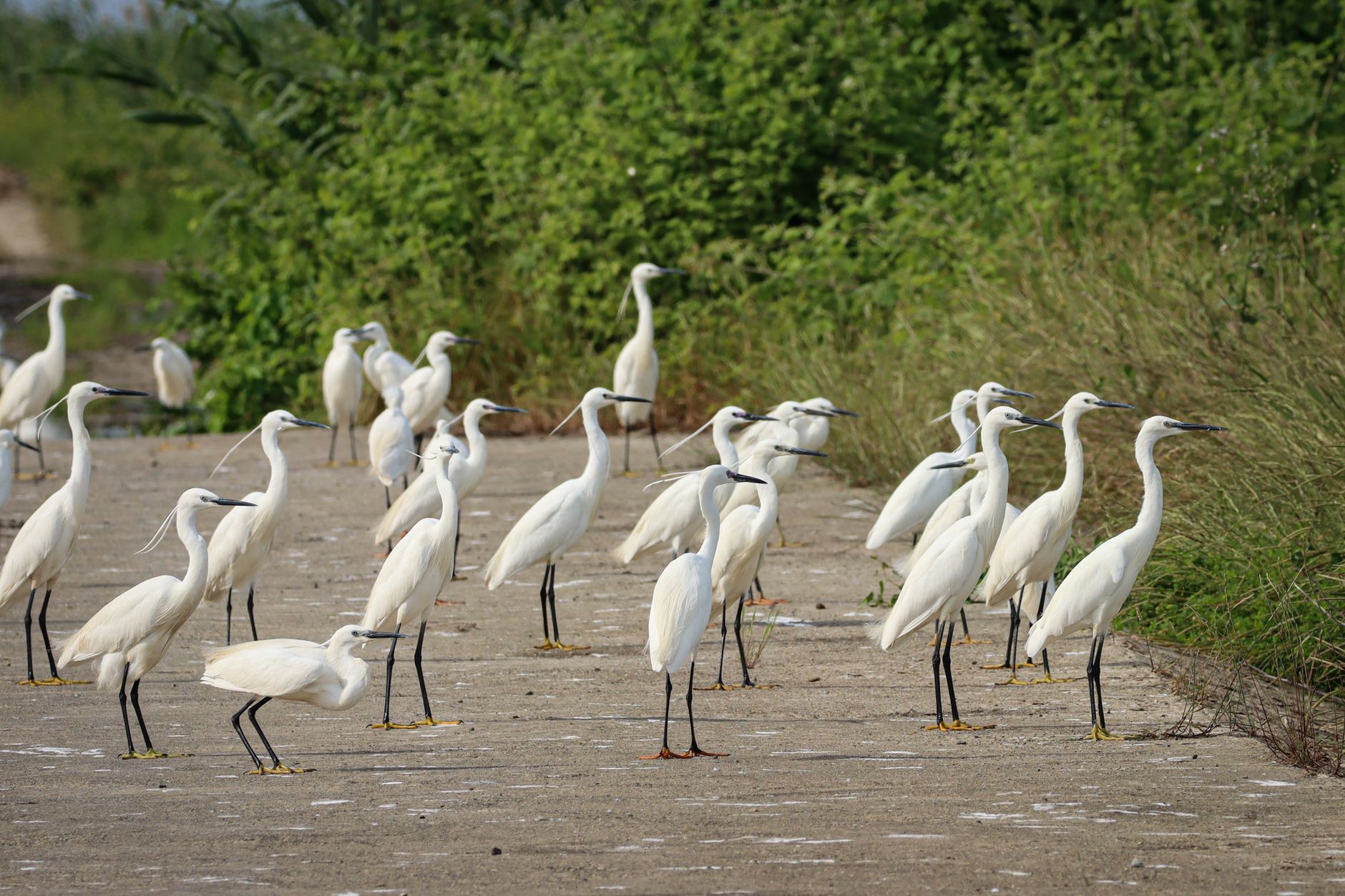
Over the years, these man-made water bodies developed into thriving wetland ecosystems. Migratory birds began arriving in large numbers, transforming Nagi and Nakti into two of Bihar’s most remarkable bird habitats.

Thousands of Birds Arrive Every Winter
As temperatures fall across Central and northern Asia, migratory birds begin journeys covering thousands of kilometres in search of suitable wintering grounds.
For many of them, Nagi and Nakti have become important winter destinations.
Bar-headed geese, northern pintails, red-crested pochards, greylag geese, ferruginous ducks, Eurasian wigeons, northern shovelers and ruddy shelducks are among the birds recorded in these wetlands.
During the 2023 Asiatic Waterbird Census, an impressive 7,844 birds were counted at Nakti and another 6,938 at Nagi.
Together, that is nearly 15,000 birds at just two wetlands.
One Visitor Flies Across Some of the World’s Highest Mountains
Perhaps the most fascinating visitor to Nagi is the bar-headed goose.
These remarkable birds are famous for their high-altitude migrations across the Himalayan region.
And Nagi isn’t merely an occasional stop for them.
The sanctuary has reportedly supported around 3% of the global population of bar-headed geese, helping it earn recognition as an Important Bird Area.
Imagine thousands of kilometres of migration ending at a reservoir originally constructed to supply water to farms.
Two Reservoirs — Two Ramsar Sites

The ecological importance of Nagi and Nakti eventually attracted international recognition.
On June 5, 2024, both wetlands were designated Wetlands of International Importance under the Ramsar Convention.
At the time, they became India’s 81st and 82nd Ramsar sites.
It was an extraordinary transformation:
Irrigation reservoirs → bird sanctuaries → internationally recognised wetlands.
The Wetlands Support Much More Than Birds
Migratory birds may be the stars of Nagi-Nakti, but the ecosystem supports considerably more wildlife.
The surrounding landscape of dry deciduous forests, rocky hills, agricultural land and wetlands provides habitat for mammals, reptiles, amphibians, fish, aquatic vegetation and numerous resident bird species.
The reservoirs also continue performing the job for which they were originally created — supporting agriculture — while contributing to groundwater recharge and the wider wetland ecosystem.
Conservation Has Helped Make the Wetlands More Bird-Friendly
Habitat-management measures have been undertaken to improve conditions for wildlife.
These include the creation of small islands within the wetlands, bird perches and planting of ficus species, while facilities such as watchtowers and walking trails help visitors experience the sanctuaries.
Protecting these wetlands is particularly important because migratory birds depend on a chain of suitable habitats along their enormous journeys.
The disappearance or degradation of even one important resting or feeding ground can disrupt that journey.
Want to See the Winter Visitors?
The migratory season generally extends from October to April, making the cooler months the best period to explore Nagi and Nakti.
Nagi is around 10 km from Jhajha railway station, while Nakti lies only about 5 km from Nagi, allowing visitors to cover both sanctuaries during the same trip.
Did You Know?
Nagi and Nakti prove that a wildlife habitat does not always have to be ancient or untouched.
Sometimes humans create a reservoir for one purpose — and nature quietly gives it another.
What began as water storage for Bihar’s farms has become a winter refuge for birds arriving from thousands of kilometres away.
Every year, when migratory flocks descend over Nagi and Nakti, these two reservoirs tell an extraordinary conservation story:
Build a place for water, protect it well enough — and wildlife may find its own way home.
Source: The Better India; Ramsar Convention on Wetlands; Nagi-Nakti Bird Sanctuary, Government of Bihar.
Leave a Reply