
Wildlife India News | September 21, 2026
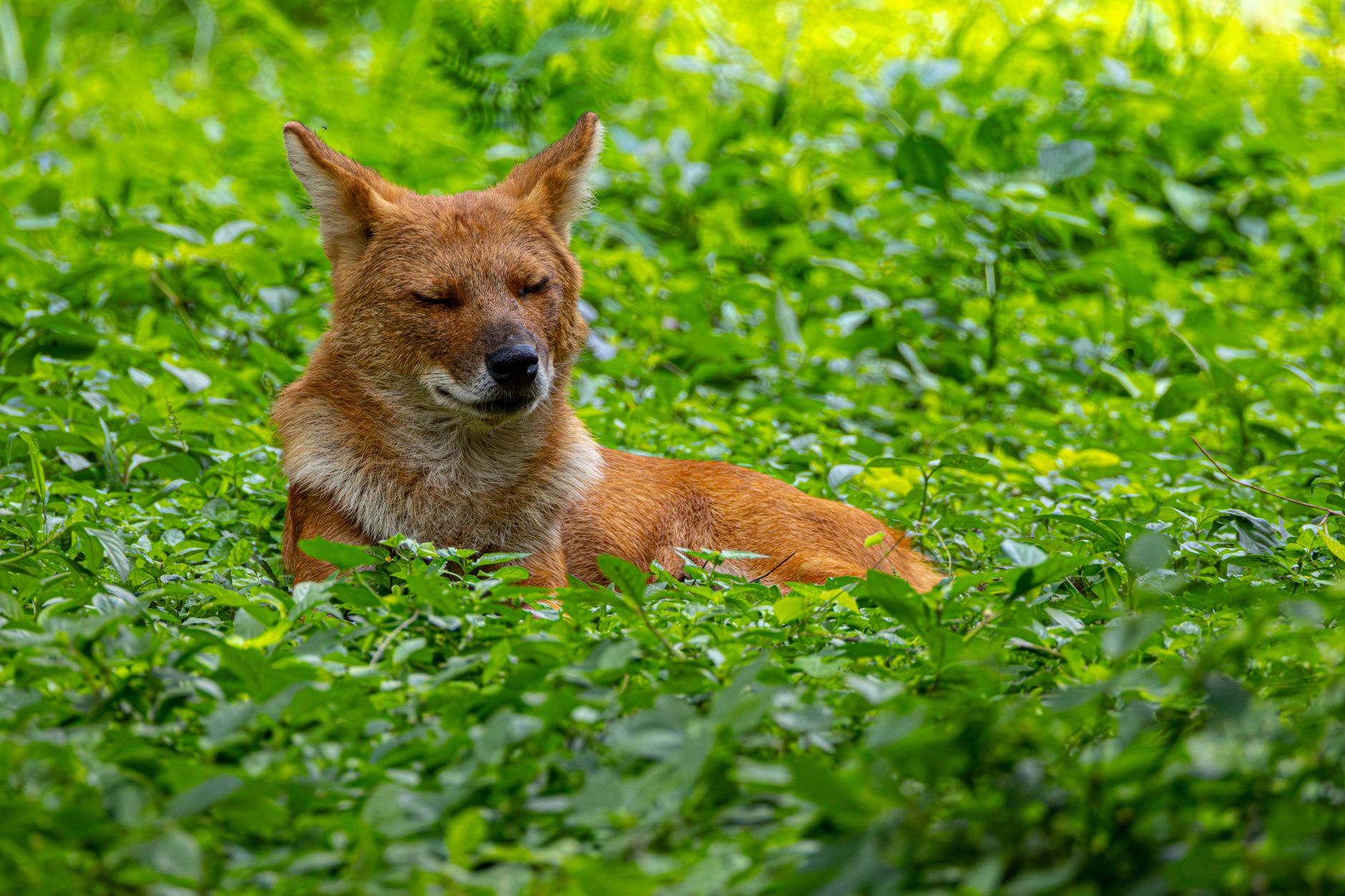
Debrigarh Wildlife Sanctuary in Odisha has recorded an encouraging conservation development, with two young dholes growing increasingly independent and exploring new areas of the forest alongside their parents.
The two pups, born earlier this year, are now approaching adulthood. Their expanding movements mark an important stage in the establishment of the sanctuary’s first documented breeding family of Asiatic wild dogs.
From a lone wild dog to a breeding family
The story began in the winter of 2023, when a solitary dhole was detected by a camera trap in Debrigarh.
A lone male was again documented in 2024. The following year, a female entered the sanctuary, and forest officials subsequently recorded the pair moving together.
The breakthrough came in March 2026, when the pair was spotted with two newborn pups, confirming the sanctuary’s first documented dhole breeding event.
What began as an isolated sighting had developed into a family of four.
Pups growing independent
According to Hirakud Wildlife Division DFO Anshu Pragyan Das, the two youngsters have grown considerably and are no longer entirely dependent on their parents.
The father has also been observed accompanying them during their movements through the forest.
Recent sightings suggest that the young dholes are exploring a wider area, including locations near the sanctuary’s tourism zones.
Their increasing independence indicates that they are progressing through an important stage of development.
Why the development matters
Dholes (Cuon alpinus), also known as Asiatic wild dogs, are endangered carnivores renowned for their cooperative social behaviour.
They live and hunt in packs, with adults sharing responsibilities for feeding and protecting their young.
The emergence of a breeding family at Debrigarh is significant because a solitary dhole has limited opportunities to establish a lasting population. Successful reproduction provides the foundation for a resident pack.
The sanctuary’s prey base, which includes sambar, spotted deer and wild boar, offers suitable feeding opportunities for these predators.
A conservation opportunity for Odisha
Dholes have disappeared from many parts of their former range because of habitat loss, declining prey populations and fragmented forests.
In Odisha, Similipal Tiger Reserve and Debrigarh are currently reported as the two protected areas supporting dhole populations.
The growing family at Debrigarh therefore represents an encouraging development for the species in the state.
However, the movements of the two youngsters within the sanctuary do not yet establish that they have dispersed into other forests or created new populations.
Continued monitoring will be needed to determine whether the family develops into a stable pack and whether future generations can establish themselves in the wider landscape.
Protecting the emerging pack
Debrigarh’s 353-square-kilometre landscape provides habitat for several large mammals, including gaur, leopards and sloth bears.
The Forest Department has strengthened protection measures through intensified patrolling, surveillance and anti-poaching operations.
Maintaining a healthy prey population, preventing snaring and minimising disturbance around breeding areas will be important for the young dholes’ survival.
The latest sightings provide a reason for cautious optimism, but four animals do not yet constitute a secure, self-sustaining population.
From a lone wild dog in 2023 to a family raising two increasingly independent youngsters in 2026, Debrigarh’s dhole story offers a promising example of natural recolonisation and successful breeding.
The next challenge will be ensuring that this emerging family survives, expands and establishes a lasting presence in Odisha’s forests.
Source credit: The Times of India, September 20, 2026. Additional background: Odisha Post and The New Indian Express.
Original news report
Debrigarh dholes thrive as pups expand their range in sanctuary
Leave a Reply