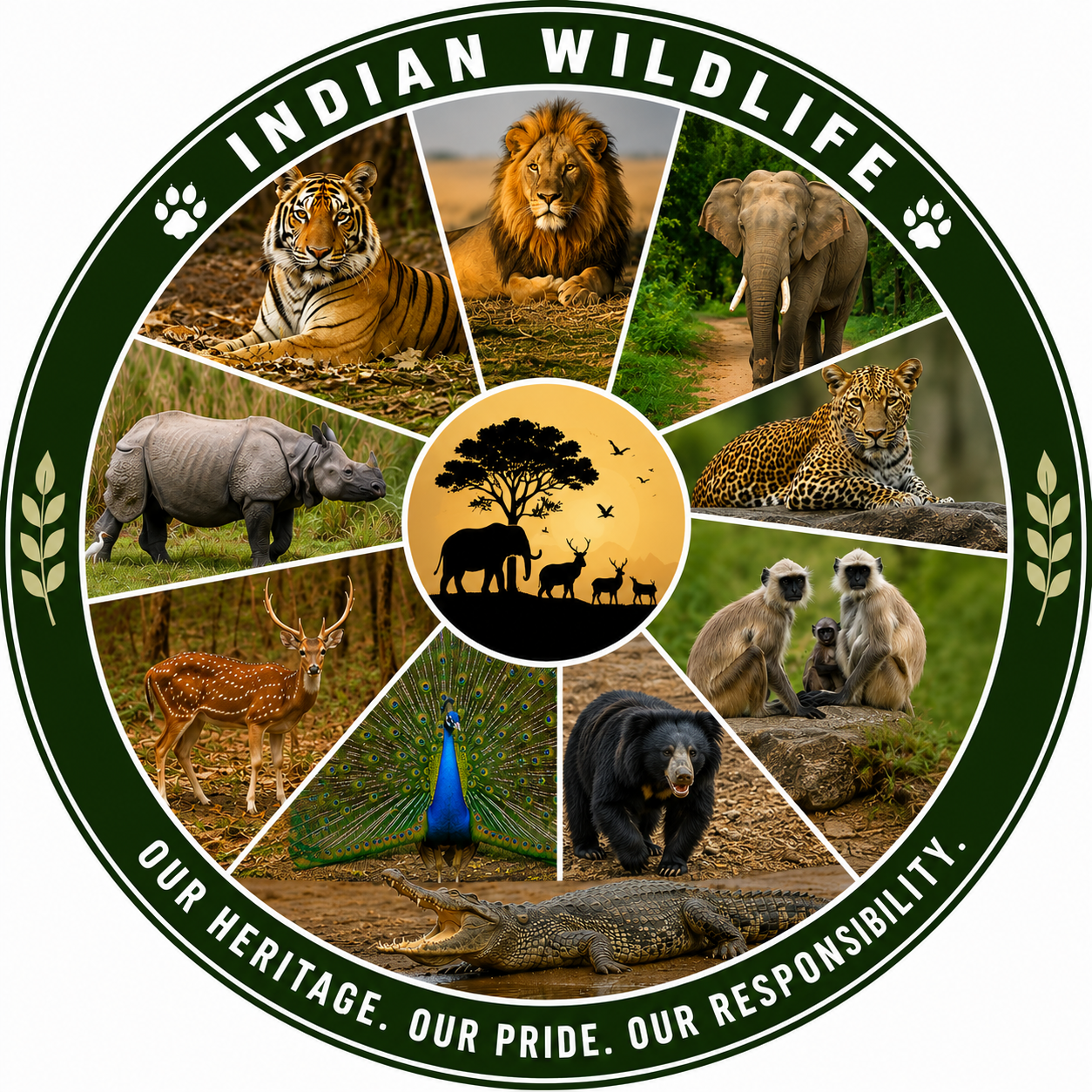

In a major step towards strengthening tiger conservation, Karnataka is planning to establish two dedicated Soft Release Centres for rescued and translocated tigers. The facilities are proposed to come up at Bandipur Tiger Reserve and near Bhadra Tiger Reserve in Chikkamagaluru district, drawing inspiration from the successful soft release model at Kanha National Park in Madhya Pradesh.
Soft release centres serve as rehabilitation enclosures where rescued tigers, especially orphaned or abandoned cubs, can gradually adapt to life in the wild before their final release. These centres allow forest officials to monitor the animals’ health, behaviour and hunting abilities in a controlled natural environment, significantly improving their chances of survival after reintroduction.
To understand the functioning of Kanha’s well-established facility, a team of Karnataka Forest Department officials, led by Additional Principal Chief Conservator of Forests (Wildlife) Biswajit Mishra, along with wildlife veterinarian Dr. Wasim and senior field officers, is scheduled to visit the Madhya Pradesh reserve. The delegation will study rehabilitation techniques, animal management protocols and operational practices before developing similar facilities in Karnataka.
According to Bandipur Tiger Reserve Director S. L. Nandish, the centres will play a crucial role in preparing rescued tiger cubs for independent life in the forest. Cubs that lose their mothers often lack essential survival skills, particularly hunting. A soft release programme provides them with the opportunity to develop these instincts under close supervision before they are released into their natural habitat.
The proposed centres are also expected to support Karnataka’s tiger conservation strategy by facilitating the safe translocation of healthy tigers to reserves with comparatively lower tiger populations. Such carefully managed relocations can help improve genetic diversity and strengthen tiger populations across the state’s protected areas, including Bandipur, Nagarhole, Bhadra, Biligiri Ranganatha Hills (BRT) and Kali Tiger Reserves.
Besides studying the soft release programme, the Karnataka delegation will also examine Kanha’s practices in grassland and weed management as well as eco-tourism, with the aim of adopting best conservation practices in the state’s protected areas.
The initiative reflects Karnataka’s continued commitment to scientific wildlife management and is expected to enhance the long-term conservation of one of India’s most iconic species while improving the success rate of tiger rehabilitation and reintroduction programmes.
 Wildlife India News
Leave a comment