
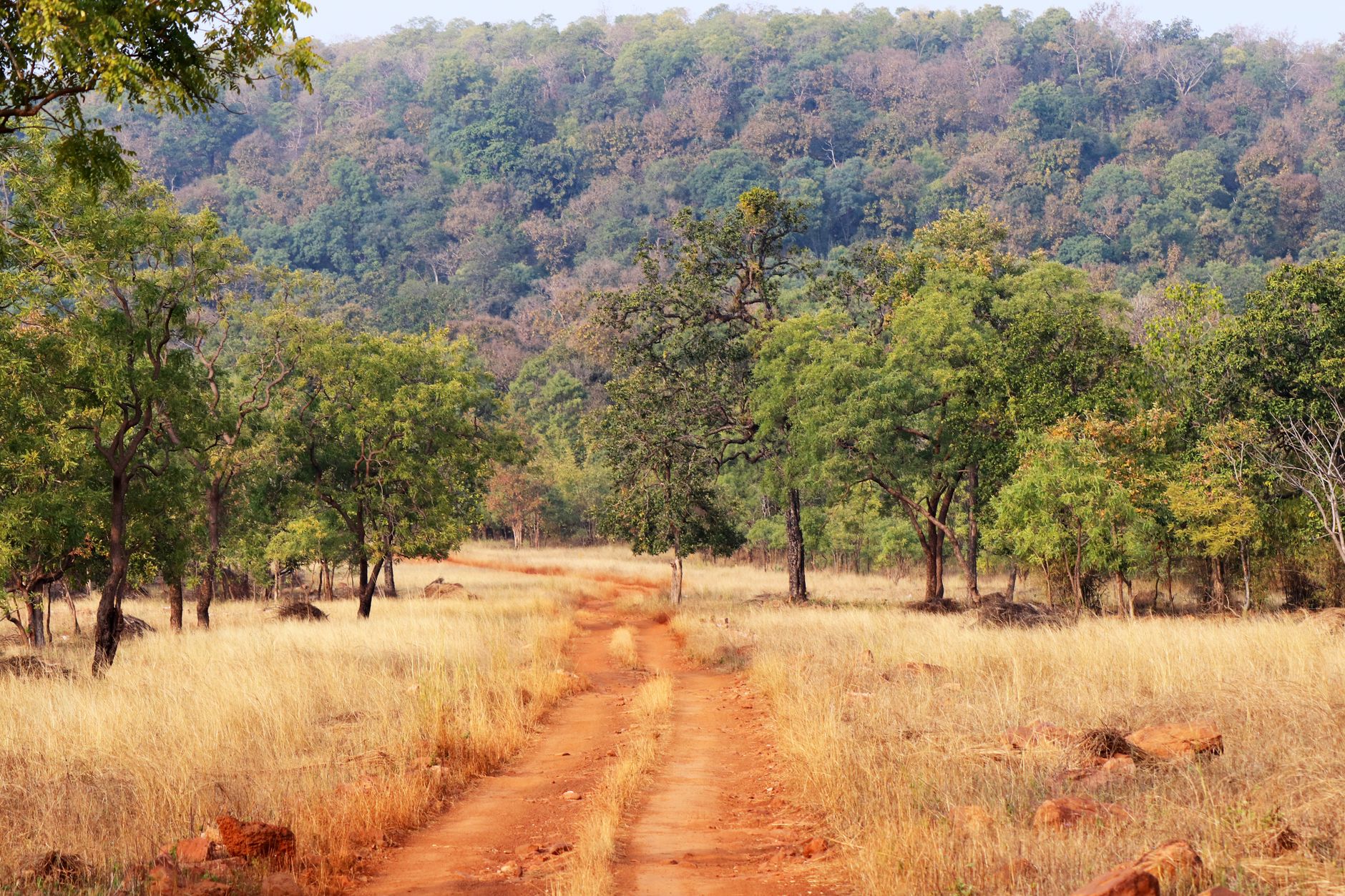
Tigress Zeenat, translocated from Maharashtra’s Tadoba-Andhari Tiger Reserve to Odisha’s Similipal Tiger Reserve under an ambitious tiger supplementation programme, has emerged as a beacon of hope for the revival of the tiger population in the northern part of the reserve.
The tigress’s journey has been anything but straightforward. Released in Similipal in late 2024 to improve the reserve’s shrinking genetic diversity, Zeenat unexpectedly wandered out of the protected area within weeks. She travelled hundreds of kilometres through forested landscapes across Odisha, Jharkhand and West Bengal, posing a major challenge for forest authorities. A coordinated operation involving multiple state forest departments eventually led to her safe capture, following which she was brought back to Similipal and released into a carefully selected habitat in the reserve’s northern landscape.
Initially, wildlife managers closely monitored Zeenat’s movements using a satellite radio collar, VHF telemetry and an extensive network of camera traps. The intensive monitoring was aimed at ensuring that the tigress adapted successfully to her new surroundings, established a territory and resumed natural hunting behaviour. Over the following months, officials observed encouraging signs as Zeenat settled into North Similipal, regularly preying on wild ungulates and avoiding human habitation.
The project’s biggest success came when Zeenat gave birth to four healthy cubs, marking the first litter produced under Odisha’s tiger supplementation programme. Camera trap images and field observations have since confirmed that the cubs are growing well and are frequently seen accompanying their mother through the forests. Forest officials report that the tigress has displayed excellent maternal instincts, carefully moving her cubs between den sites and successfully protecting them while continuing to hunt.
The birth of the cubs is considered a major conservation milestone for Similipal. The reserve is globally known for its unique population of pseudo-melanistic, or “black”, tigers, a rare colour variant that became relatively common due to prolonged inbreeding in an isolated population. While these striking tigers have brought international attention to Similipal, conservationists have long expressed concern that limited genetic diversity could threaten the long-term health and resilience of the population.
The introduction of Zeenat from Tadoba was designed to address this challenge by bringing fresh genetic material into the breeding population. Wildlife scientists believe that her offspring will play a crucial role in improving genetic diversity, reducing the risks associated with inbreeding and strengthening the long-term viability of Similipal’s tiger population.
North Similipal, where Zeenat has now established her territory, had witnessed a decline in tiger presence over the years. Her successful settlement, followed by breeding, has therefore rekindled hopes of restoring a stable breeding population in this part of the reserve. Officials believe her cubs could eventually disperse into adjoining forest areas, naturally expanding the tiger population across the landscape.
The Odisha Forest Department continues to keep a close watch on Zeenat and her cubs using modern wildlife monitoring technologies while ensuring minimal human disturbance. The department has also strengthened anti-poaching measures, habitat protection and prey management to provide a secure environment for the growing tiger family.
Conservation experts describe Zeenat’s remarkable transformation—from a translocated tigress whose unexpected dispersal triggered a multi-state tracking operation to the mother of four healthy cubs—as one of India’s most encouraging wildlife conservation success stories. Her successful adaptation has validated Odisha’s carefully planned tiger supplementation strategy and strengthened hopes that North Similipal will once again become a thriving stronghold for the iconic big cat.
As the cubs continue to grow under their mother’s care, forest officials remain optimistic that Zeenat’s legacy will extend far beyond her own family, helping secure the future of one of India’s most unique and genetically important tiger populations.
Leave a Reply