
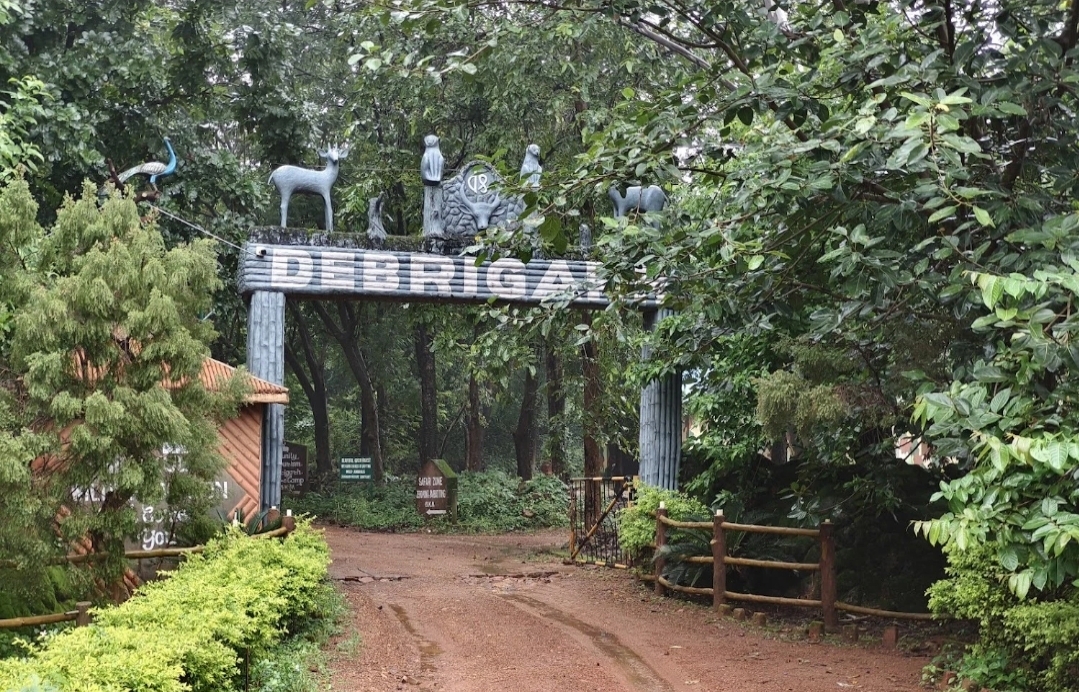
The remarkable recovery of tiger numbers in Similipal Tiger Reserve has renewed hopes for expanding tiger conservation in Odisha, with wildlife experts now strongly advocating that Debrigarh Wildlife Sanctuary be notified as the state’s third Tiger Reserve. Conservationists believe the sanctuary has undergone an extraordinary ecological transformation over the last few years and is now well-positioned to play a crucial role in securing Odisha’s future tiger population.
Odisha currently has only two tiger reserves—Similipal, established in 1973, and Satkosia, notified in 2007. Despite India adding nearly 30 new tiger reserves since then, Odisha has not expanded its protected tiger landscape for almost two decades. With earlier plans for a Tiger Reserve at Sunabeda no longer progressing, Debrigarh has emerged as the state’s most promising option.
The proposal to upgrade Debrigarh has already made significant progress. An expert committee constituted by the Odisha government submitted its recommendations around eight months ago, while the National Tiger Conservation Authority (NTCA) had granted in-principle approval for the proposal in February 2023. The proposal is presently awaiting completion of statutory procedures before a final notification can be issued.
Strategic Importance
Experts point out that Debrigarh occupies a strategically important position in the Central Indian tiger landscape. The sanctuary serves as an ecological corridor connecting tiger habitats of central India with Odisha, enabling the movement of tigers, leopards, elephants, dholes, gaur and other wildlife. Such corridors are vital for maintaining genetic diversity and ensuring long-term survival of wide-ranging species.
Former NTCA Member Secretary Dr. Anup Nayak, who chaired the expert committee, observed that while Debrigarh alone may not support a large breeding tiger population because of its size, its greatest importance lies in facilitating tiger dispersal and maintaining connectivity between major landscapes. Protecting this corridor through Tiger Reserve status would significantly strengthen Odisha’s long-term conservation strategy.
Proposed Tiger Reserve
The proposed Debrigarh Tiger Reserve would cover approximately 804 square kilometres, consisting of:
Core area: 353 sq km (entire Debrigarh Wildlife Sanctuary)
Buffer area: Around 450 sq km
Buffer villages: About 56 villages
Experts note that several existing tiger reserves in India are of similar or even smaller size, indicating that habitat quality and landscape connectivity are more important than sheer area.
Major Conservation Achievements
One of Debrigarh’s biggest achievements has been the complete relocation of all villages from its core area during 2021-22, creating one of Odisha’s largest inviolate forest habitats. Even Similipal and Satkosia have yet to achieve complete relocation from their core zones.
The sanctuary has also witnessed extensive habitat improvement. Around 9% of the protected area has been converted into grassland meadows, substantially improving forage availability for herbivores and strengthening the prey base required to sustain large carnivores such as tigers and leopards.
Protection measures have been considerably strengthened through increased anti-poaching patrols, scientific monitoring and active involvement of local communities in wildlife conservation. An example often cited is that of Satya Sahu, who was once convicted in a tiger electrocution case but now serves as a member of Debrigarh’s forest protection squad, reflecting changing attitudes towards wildlife conservation.
Rising Wildlife Populations
Debrigarh’s improving habitat quality is reflected in its growing wildlife populations.
The sanctuary’s gaur population increased dramatically from 659 to 788 animals within six months, including 315 juveniles and 128 newborn calves, prompting the Odisha Forest Department to propose notification of part of the sanctuary as the state’s first Gaur National Park.
The sanctuary has also recorded periodic tiger presence over the years. Five tigers were estimated in the landscape during the 2004 census, while a dispersing male tiger from Chhattisgarh’s Udanti-Sitanadi Tiger Reserve visited Debrigarh in 2022 before returning to Chhattisgarh. These movements demonstrate the sanctuary’s continued ecological relevance within the larger tiger landscape.
Benefits of Tiger Reserve Status
According to wildlife experts, declaring Debrigarh a Tiger Reserve would provide:
Dedicated funding for habitat improvement.
Scientific wildlife monitoring.
Stronger anti-poaching infrastructure.
Better prey management.
Protection of wildlife corridors.
Improved management of the buffer zone.
Greater community participation in conservation.
Enhanced eco-tourism opportunities.
The success of the recent tiger supplementation programme in Similipal has further strengthened confidence that scientifically managed conservation programmes can significantly improve tiger recovery in Odisha.
Challenges Ahead
Despite strong ecological arguments, certain hurdles remain before Debrigarh can receive Tiger Reserve status.
The Forest Department must obtain consent from Gram Sabhas in all 56 proposed buffer villages, as required under law. The declaration will also introduce additional regulations governing activities in the buffer area, requiring a careful balance between wildlife conservation and local livelihoods.
Principal Chief Conservator of Forests (Wildlife) and Chief Wildlife Warden Prem Kumar Jha acknowledged Debrigarh’s immense potential but stressed that adequate safeguards and socio-economic considerations must be addressed before introducing resident tiger populations into the relatively compact landscape.
A Turning Point for Odisha
Conservationists believe Debrigarh represents Odisha’s best opportunity to expand its tiger conservation network after nearly two decades. The sanctuary’s successful village relocation, restored habitats, growing prey populations, strengthened protection system and strategic location have transformed it into one of eastern India’s most promising wildlife landscapes.
If notified, Debrigarh would become Odisha’s third Tiger Reserve, strengthening habitat connectivity between central and eastern India while opening a new chapter in the state’s wildlife conservation and eco-tourism journey.
Leave a Reply