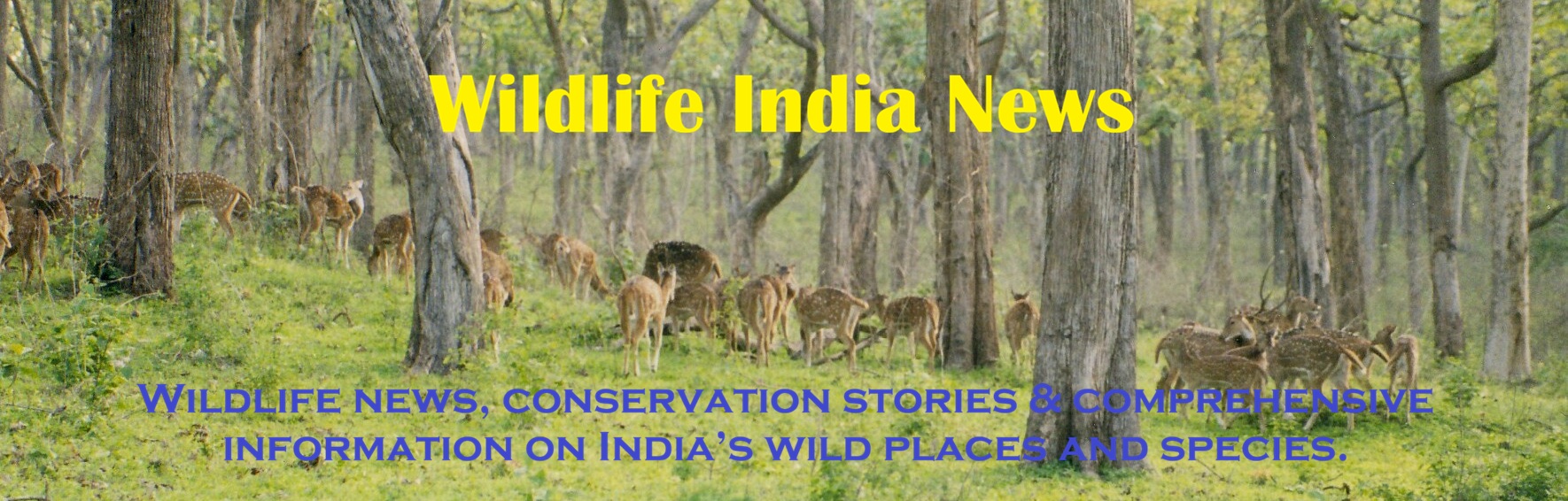

In a significant wildlife conservation initiative, the Gujarat Forest Department has released 50 spotted deer (chital) into the Mandvi Forest Range of Surat district. The programme is aimed at strengthening the natural prey base for carnivores, restoring ecological balance, enhancing biodiversity, and reducing incidents of human-wildlife conflict in South Gujarat.
The translocation was carried out under the provisions of the Wildlife (Protection) Act, 1972, with the deer brought from the Sasan Gir Wildlife Division in three phases:
21 deer released on May 23, 2026
16 deer released on June 18, 2026
13 deer released on June 24, 2026
According to the Forest Department, increasing herbivore populations in suitable forest habitats helps provide predators with an adequate natural food source. This reduces the likelihood of carnivores venturing into nearby villages in search of prey, thereby lowering the risk of human-wildlife conflict.
Gujarat Forest and Environment Minister Arjun Modhwadia said the initiative reflects the state’s science-based approach to wildlife conservation under the leadership of Chief Minister Bhupendra Patel. He noted that strengthening the prey base is a key strategy for ensuring healthy forest ecosystems while promoting peaceful coexistence between people and wildlife.
Minister of State for Forests and Environment Pravin Mali highlighted that a robust prey population enables predators to remain within forest habitats instead of moving into human-dominated landscapes in search of food.
Principal Chief Conservator of Forests (Wildlife) and Chief Wildlife Warden Jaipal Singh said the deer release builds upon earlier conservation efforts in the Mandvi Forest Range, including the establishment of a spotted deer breeding centre and a jungle fowl breeding centre to improve prey availability and enhance biodiversity.
Before the release, forest officials conducted detailed habitat assessments to identify suitable locations. To support the newly introduced animals, the department has developed 10 permanent water points across the release area. A dedicated Quick Response Team (QRT) equipped with modern rescue equipment has also been deployed to address wildlife emergencies and ensure the safety of both local communities and wild animals.
The Forest Department has also launched a comprehensive post-release monitoring programme, with forest guards and trained trackers continuously monitoring the animals. Camera traps have been strategically installed to record the deer’s movements, habitat use, health, and survival, enabling scientists to assess the long-term success of the translocation.
Officials believe the initiative will strengthen the ecological resilience of Surat’s forests by improving the prey base, supporting predator populations, conserving biodiversity, and reducing conflict between wildlife and people over the long term.
Leave a Reply