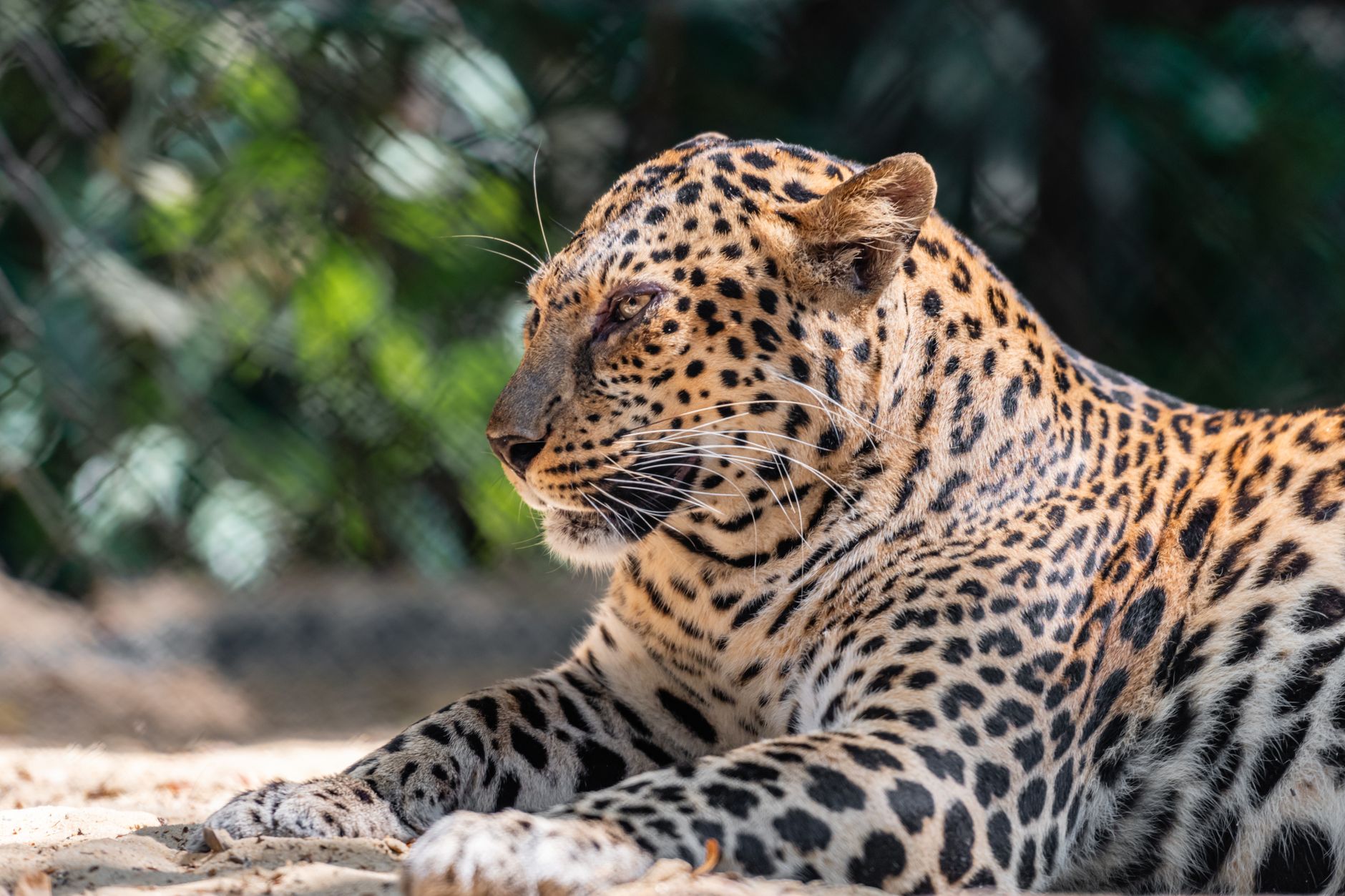
In the heart of Jaipur’s Jhalana Leopard Reserve, an abandoned watchtower has become the unlikely throne of one of India’s most iconic wild cats. A dominant male leopard known as Bahadur has turned the ageing structure into his preferred lookout, captivating wildlife enthusiasts, photographers and safari visitors alike.
Perched high above the scrub forest, Bahadur spends hours surveying his territory from the watchtower. The elevated vantage point allows him to monitor the movement of prey, rival leopards and potential threats across the landscape. The remarkable sight of a wild leopard confidently resting atop a man-made structure has become one of Jhalana’s most sought-after wildlife spectacles.
Jhalana Leopard Reserve, located on the outskirts of Jaipur, has earned global recognition for its unusually high leopard density and the ease with which visitors can observe these elusive big cats. Unlike many forest landscapes where leopards remain hidden, Jhalana’s open terrain offers exceptional viewing opportunities, making it one of India’s premier destinations for leopard tourism.
Bahadur is regarded as one of the reserve’s most dominant males. His impressive size, calm demeanour and commanding presence have made him a favourite among guides and photographers. The abandoned watchtower has effectively become his signature location, where he is frequently seen resting, scent-marking or simply watching over his domain.
Wildlife experts note that leopards are highly adaptable animals and readily utilise natural rock outcrops, hills, trees and even abandoned human structures if these provide strategic advantages. Bahadur’s use of the watchtower highlights the species’ remarkable ability to thrive in landscapes where natural and human-made features coexist.
For visitors, a sighting of Bahadur atop the tower is an unforgettable experience—a powerful reminder of nature’s resilience and adaptability. His reign over this unusual perch has transformed a forgotten structure into a symbol of Jhalana’s thriving leopard population and the success of conservation efforts that have enabled these magnificent predators to flourish alongside a bustling urban landscape.
As Bahadur continues to patrol his territory from his elevated throne, he remains a living ambassador for India’s leopards, drawing attention to the importance of protecting habitats where wildlife and people can coexist.
Leave a Reply