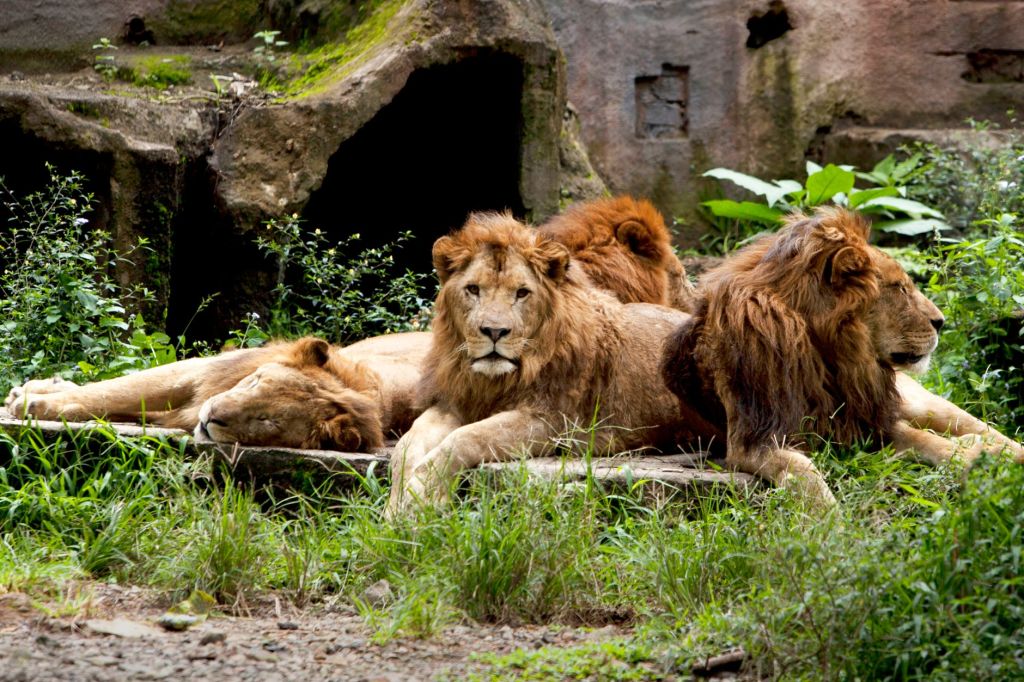
Gujarat’s extraordinary success in conserving the Asiatic lion has become a global conservation milestone. However, the rapid increase in the lion population is now presenting a fresh set of challenges for wildlife managers. According to the latest lion census, Gujarat is home to 891 Asiatic lions, the highest ever recorded, reflecting decades of effective conservation, habitat protection and community participation.
The growing population has resulted in lions expanding well beyond the Gir National Park and Wildlife Sanctuary into the larger Greater Gir landscape, including agricultural fields, scrub forests, coastal areas and villages. Today, nearly half of Gujarat’s lions are estimated to be living outside protected forests, increasing the likelihood of encounters with people and livestock.
As lions establish territories in human-dominated landscapes, incidents of livestock depredation and occasional attacks on people have become more frequent. In several districts, including Amreli, Bhavnagar, Junagadh and Gir Somnath, lions are regularly sighted near villages, roads and farmlands. While many local communities have traditionally coexisted with the big cats, the increasing number of encounters has heightened concerns over public safety and economic losses.
The Gujarat Forest Department has intensified its conflict mitigation efforts by deploying rapid response teams, monitoring lion movements through modern tracking techniques, rescuing animals that stray into human settlements, and creating awareness among local communities. Compensation schemes for livestock losses and improved veterinary care for injured lions have also played a crucial role in maintaining public support for conservation.
Wildlife experts believe the expanding lion population is a positive indicator of the species’ recovery but also highlights the limitations of concentrating the entire wild population in a single landscape. Conservationists have repeatedly stressed the need to establish additional free-ranging populations outside Gujarat to safeguard the species against threats such as disease outbreaks, natural disasters and large-scale habitat disturbances.
The Centre’s Project Lion aims to strengthen lion conservation through habitat improvement, enhanced wildlife health monitoring, modern rescue infrastructure, advanced surveillance systems and scientific management. Experts also recommend improving habitat connectivity, securing wildlife corridors and restoring suitable habitats to facilitate the safe dispersal of lions while reducing human-wildlife conflict.
Gujarat’s lion story is one of India’s greatest conservation achievements. Yet, it also illustrates that successful wildlife recovery brings new management responsibilities. Ensuring the long-term survival of the Asiatic lion will depend not only on sustaining its growing population but also on balancing conservation objectives with the safety, livelihoods and cooperation of the people who share the landscape with this iconic big cat.
 Wildlife India News
Leave a comment