The Assam government has announced that it will formulate a comprehensive Standard Operating Procedure (SOP) to tackle the growing problem of human-wildlife conflict, with particular emphasis on human-elephant conflict and the increasing monkey menace. The decision was taken during a meeting involving ministers and legislators from districts most affected by wildlife-related incidents.
Forest and Finance Minister Jayanta Malla Baruah said that nearly 150 people lose their lives every year in elephant-related incidents across the state, while crop damage and property losses continue to affect thousands of families. The proposed SOP aims to introduce a scientific, region-specific strategy for preventing and managing such conflicts.
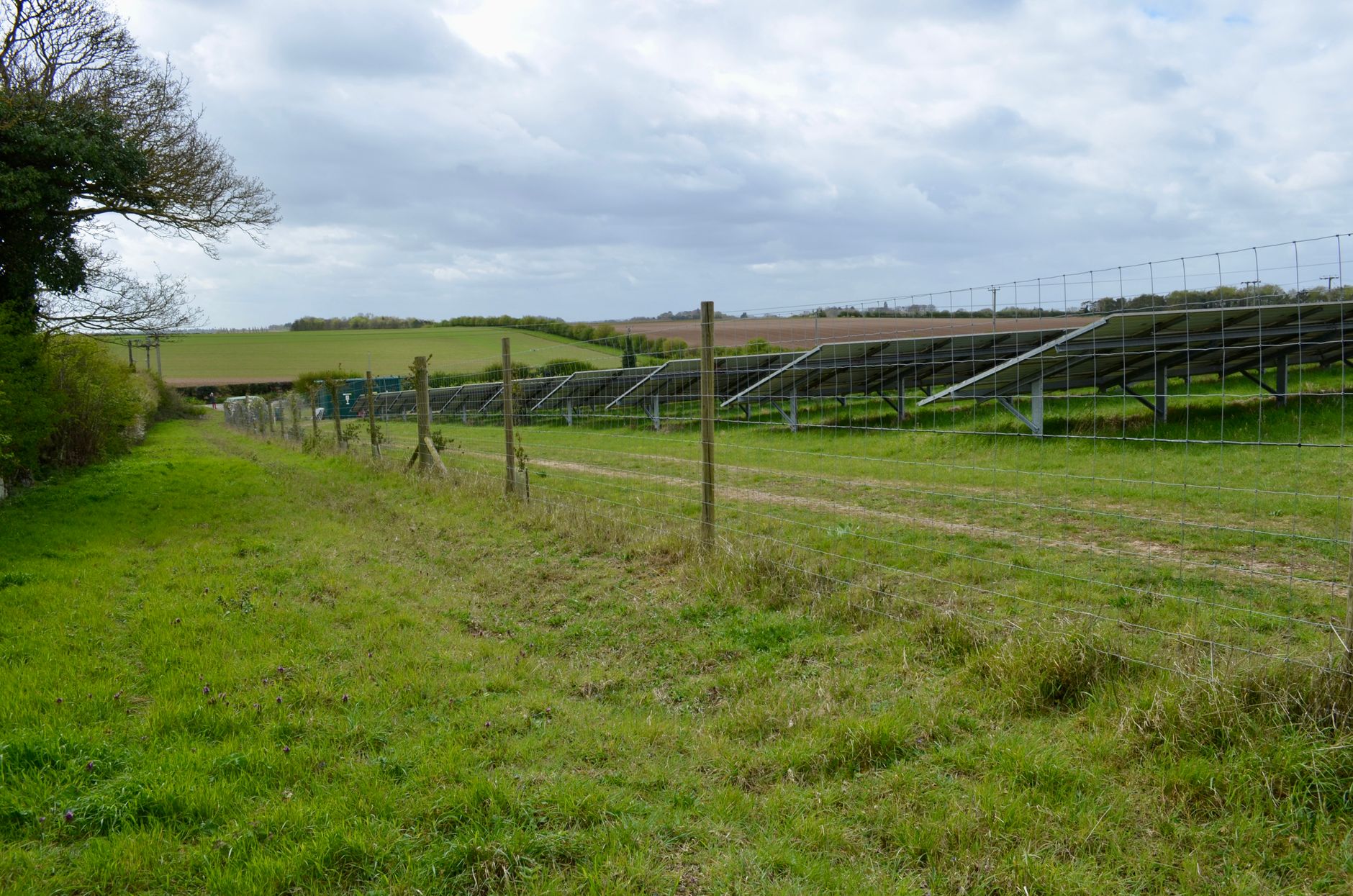
As part of the initiative, MLAs have been asked to submit district-specific recommendations so that local challenges and solutions can be incorporated into the SOP. The framework is expected to include both short-term measures, such as strengthening compensation mechanisms, solar fencing, bio-fencing and rapid response systems, and long-term interventions aimed at reducing conflict.
The long-term strategy will focus on restoring degraded elephant habitats, undertaking large-scale afforestation, removing forest encroachments, and improving the availability of food and water within forests. These measures are intended to reduce the movement of elephants into villages and agricultural fields. The government also plans to constitute zone-wise committees, with local MLAs as members, to recommend site-specific conflict mitigation measures.
The SOP is expected to be finalised after consultations during the ongoing Budget Session of the Assam Assembly, marking a significant policy shift towards balancing wildlife conservation with the safety and livelihoods of people living in forest fringe areas.
Leave a Reply