
The tiger population in Odisha’s Similipal Tiger Reserve (STR) has increased to 35 adult tigers, according to the latest camera-trap assessment conducted by the State Forest Department. The findings have been shared with the Wildlife Institute of India (WII) and indicate a steady recovery of the reserve’s tiger population.
The latest estimate marks significant progress over the past few years. The All India Tiger Estimation (AITE) 2022 recorded 16 tigers in Similipal, while the Odisha government’s 2023–24 assessment estimated 27 tigers. A subsequent camera-trap survey conducted between December 2024 and January 2025 identified 32 unique adult tigers, and the latest exercise has now confirmed 35 adult tigers.
According to Principal Chief Conservator of Forests (Wildlife) and Chief Wildlife Warden Prem Kumar Jha, the current population comprises 17 males and 18 females. The count includes Jamuna and Zeenat, the two tigresses translocated from Maharashtra’s Tadoba-Andhari Tiger Reserve in 2024 as part of a genetic supplementation programme aimed at improving the reserve’s long-term genetic health.
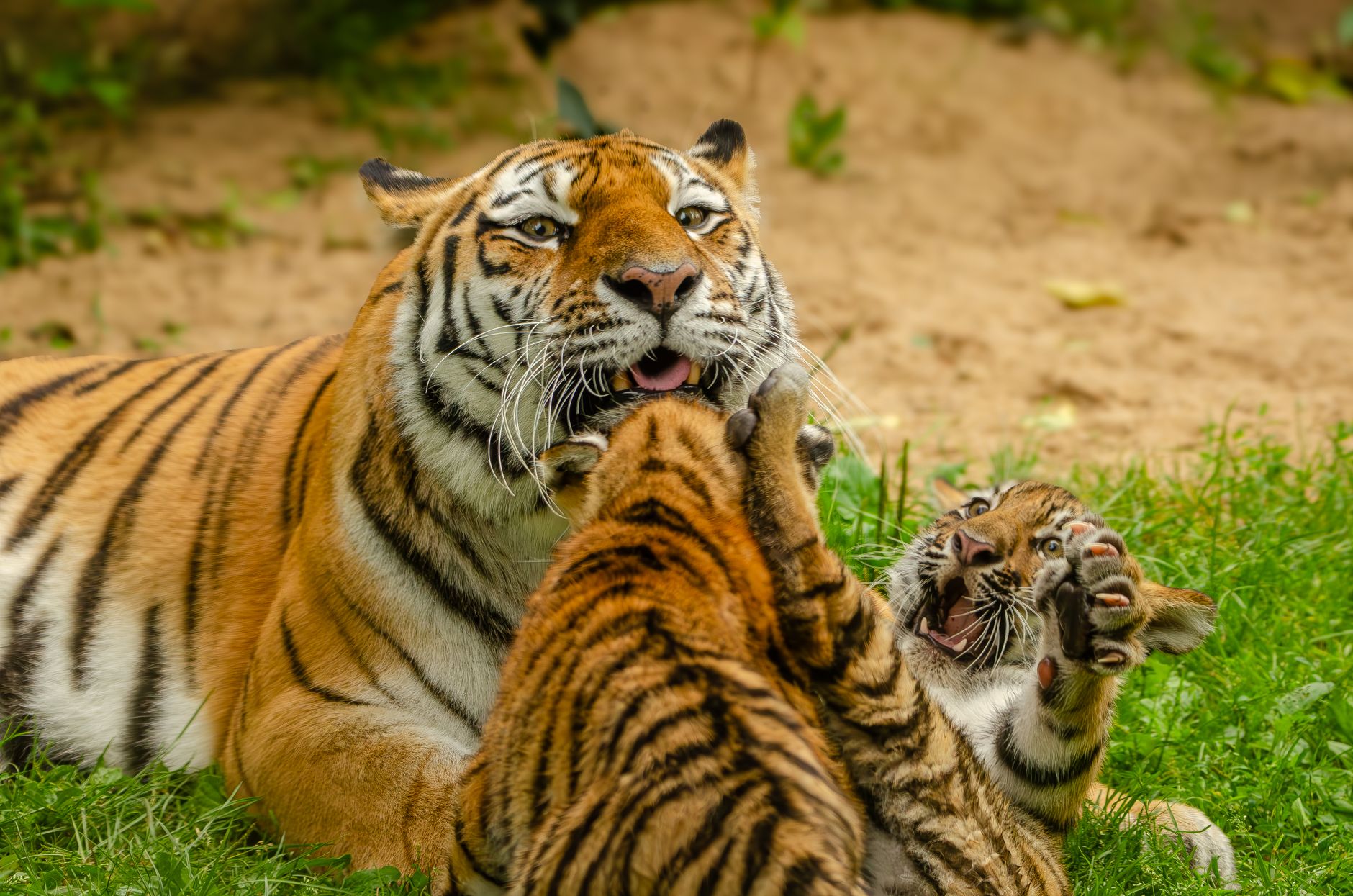
Forest officials attributed the increase to strengthened anti-poaching measures, habitat improvement, prey-base enhancement, and scientific wildlife management. The reserve has also witnessed encouraging breeding success, with the number of tiger cubs increasing from 12 to 16, including four cubs born to Zeenat.
A notable feature of Similipal’s tiger population is the high occurrence of pseudo-melanistic (black) tigers. Of the 35 adult tigers recorded, 19 exhibit this rare genetic trait, which has become common in the isolated population due to inbreeding. To improve genetic diversity further, the Forest Department plans to submit a proposal to introduce one male and one female tiger from the Central Indian landscape, subject to approval from the Odisha government and the Union Ministry of Environment, Forest and Climate Change.
The latest tiger count underscores the effectiveness of sustained conservation efforts in Similipal while highlighting the continued importance of scientific management and genetic augmentation to secure the long-term future of one of India’s most unique tiger populations.
Leave a Reply