
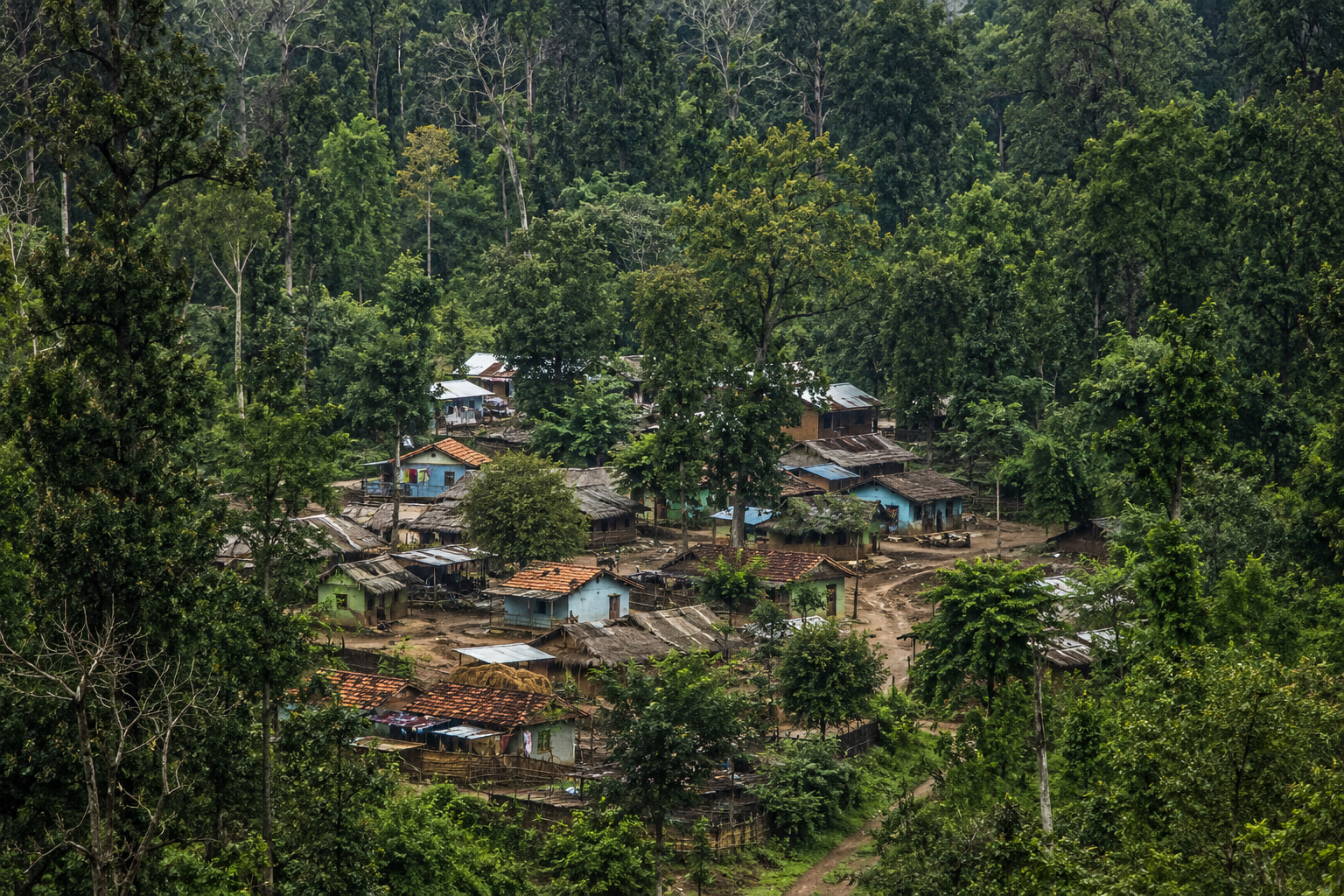
A significant number of people continue to live within India’s core tiger habitats despite decades of voluntary relocation efforts. According to data released by the National Tiger Conservation Authority (NTCA), 742 villages comprising nearly 97,786 families remain inside Critical Tiger Habitats across the country’s tiger reserves.
Of the 1,040 villages identified within core tiger habitats, only 298 have been voluntarily relocated so far, while around 72% continue to remain in these protected areas. At the family level, 32,198 households have been relocated, leaving nearly 98,000 families still residing in core tiger landscapes.
Relocation has been completed in 27 tiger reserves, and 18 reserves are now free of villages within their core areas. However, 40 tiger reserves continue to have human settlements, posing ongoing challenges for wildlife conservation and human-wildlife coexistence.
Madhya Pradesh has recorded the highest number of relocated villages, with Veerangana Durgavati Tiger Reserve leading the country, followed by Kanha and Satpura Tiger Reserves. Despite this progress, Veerangana Durgavati still has the largest number of villages awaiting relocation. Amrabad Tiger Reserve has the highest number of families still living inside a core tiger habitat, followed by Veerangana Durgavati and Ranthambore.
The NTCA reiterated that relocation from Critical Tiger Habitats is entirely voluntary and must comply with the provisions of the Wildlife (Protection) Act, 1972, and the Forest Rights Act, 2006. The process requires recognition of forest rights, informed consent from Gram Sabhas, adequate rehabilitation packages, and consideration of coexistence measures before relocation is undertaken.
The data underscores the continuing challenge of balancing tiger conservation with the rights, livelihoods, and welfare of forest-dependent communities across India’s tiger reserves.
Leave a Reply