
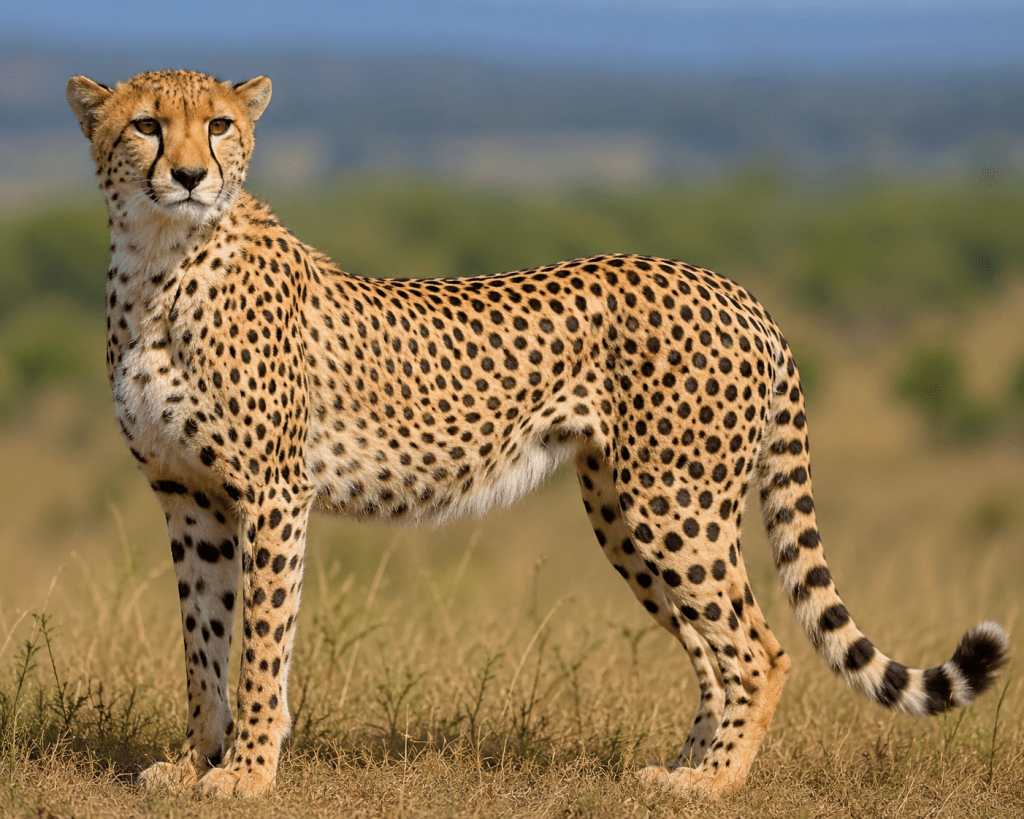
India’s ambitious Project Cheetah is preparing to enter a new phase, with plans to shift some African cheetahs from Kuno National Park to the Veerangana Rani Durgavati Tiger Reserve in Madhya Pradesh. However, the relocation can begin only after the Government of India gives its final approval.
The proposed destination lies within the Nauradehi Wildlife Sanctuary landscape in Sagar district, where forest officials say nearly all preparations have been completed. A massive 438-hectare soft-release boma, divided into five compartments, has been built to help the cheetahs gradually adapt to their new surroundings before being released into the wild.
Officials have also undergone specialised training at Kuno National Park, learning about cheetah behaviour, monitoring, veterinary care and management under Project Cheetah. The training was conducted in batches to ensure that the new reserve has a skilled team ready to handle the world’s fastest land mammal.
The relocation is part of India’s long-term strategy to establish multiple free-ranging cheetah populations instead of concentrating all animals in a single landscape. Creating additional habitats is expected to reduce pressure on Kuno, improve genetic management and lower the risk from disease outbreaks or other unforeseen events affecting one population.
The Veerangana Rani Durgavati Tiger Reserve offers vast grasslands, woodland patches and a healthy prey base, making it one of the sites identified for cheetah restoration even before Project Cheetah was launched. If the translocation goes ahead, it could become India’s third cheetah landscape, after Kuno National Park and Gandhi Sagar Wildlife Sanctuary.
At present, the forest department is waiting for the Centre’s clearance before fixing a date for the transfer. Once approval is received, selected cheetahs from Kuno will be moved to the new reserve, marking another milestone in India’s effort to restore a species that disappeared from the country more than seven decades ago.
 Wildlife India News
Leave a comment